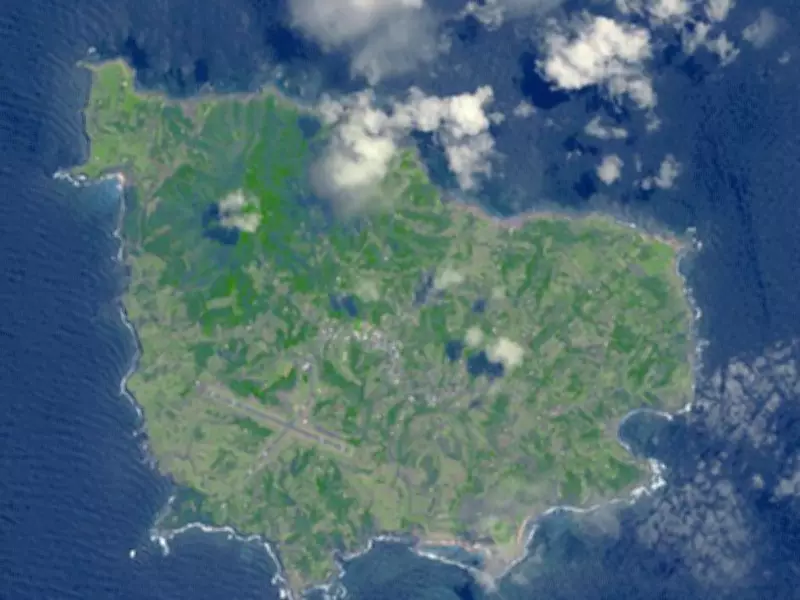
In 2018, an amateur citizen scientist walking along a track in Norfolk Island National Park noticed a stone that appeared to be deliberately shaped rather than naturally broken. This observation led to subsequent archaeological excavations that uncovered two Polynesian adzes and hundreds of stone flake tools, dating back to the 13th and 15th centuries. The Australian Museum confirmed that these artifacts provide strong evidence of Polynesian occupation on Norfolk Island before European colonization.
A Small Clue That Changed History
Norfolk Island has long been viewed through a colonial lens, focusing on European settlement and the legacy of the HMS Bounty mutiny. However, these stone fragments shift attention to the island's pre-European past. Shaped stones are significant in archaeology because they indicate human activity, such as tool-making or occupation, unlike accidentally broken stones. On small Pacific islands, even a few artifacts can reveal much about past human presence.
Why Basalt Tools Matter in Pacific Archaeology
Basalt was commonly used by Polynesians to make tools like adzes. Geochemical analysis of basalt artifacts can trace their origins to specific islands, revealing migration patterns and exchange networks. A study published in Science Advances showed that geochemical sourcing of stone adzes from the Cook Islands identified sources as far away as Samoa and the Marquesas. For Norfolk Island, basalt fragments help establish prehistoric movement and contacts before European arrival.

A Forgotten Polynesian Chapter
This discovery adds to growing evidence that Polynesians purposefully explored and settled Pacific islands. Research shows that Pacific societies maintained long-distance voyaging, trade, and communication. Some stone artifacts have been traced to sources over 2,500 kilometers from their find sites. Norfolk Island is now seen as part of a wider Polynesian landscape of navigation and craftsmanship.
The find also highlights that absence of evidence is not evidence of absence. Small islands undergo changes from agriculture, erosion, and settlement that can erase traces of earlier civilizations.
The Importance of Local Observation
The Norfolk Island case was triggered by careful observation during a routine walk, not a large-scale excavation. Amateur citizen scientists and local residents often contribute to archaeology in areas with limited systematic surveys. Once the stones were identified as human-made, archaeologists integrated them into the broader context of Pacific research.
This discovery does not radically revise Polynesian prehistory but subtly changes our understanding of Norfolk Island—no longer a blank spot before European contact, but part of a vast Polynesian network.