In 2008, archaeologists exploring the Areni-1 Cave in Armenia made a remarkable discovery: a single leather shoe, small and dark, easily overlooked at first glance. It appeared to be a mere rag of clothing, but its value was far greater. The cave's unusual dryness preserved the leather and other fragile organic materials that normally decay, allowing the shoe to survive for millennia. This ancient footwear provides a direct record of how people made, wore, and cared for everyday gear thousands of years ago. One stitched shoe can tell a very specific story when the ground keeps it safe.
An Underground Natural Archive
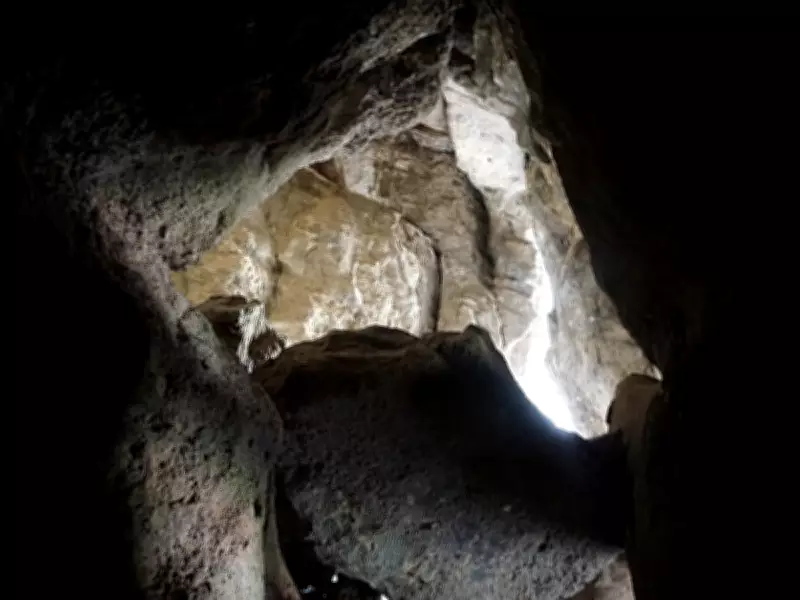
The first significance of the Areni-1 shoe is that it survived at all. Leather rots quickly except in very dry or very cold conditions. This Armenian cave is a site of desiccation, or extreme drying, which helped preserve organic materials that rarely survive, such as reeds, ropes, textiles, plant remains, and wood. The preservation turned the site into a natural archive. However, this was not just a shoe found in a cave; it was rescued from a location that protected it from moisture and microbial decay for thousands of years. This special context, as explained in the original study published in PLOS One, changes how we interpret the discovery. A leather shoe from a cave is not merely a fluke of rarity; it is a rarity because the cave acted as a protective storage room. The same conditions that preserved the shoe also preserved nearby plant and textile remains in excellent condition, offering a broader picture of life in the shelter.
How Scientists Dated the Shoe
The shoe's style did not indicate its date. Researchers used radiocarbon tests on two leather samples and a grass sample found inside the shoe. Tests were conducted at Oxford and the University of California, Irvine, and combined into a radiocarbon dating that placed the shoe broadly in the late 4th millennium BC, around 3600–3500 BC. This internal match is important because it links the object to the Copper Age, or Chalcolithic period, with far greater confidence than a single measurement would permit. Later work maintained this chronology as valid. The Areni-1 shoe is still referenced as the oldest direct evidence of a leather, moccasin-type shoe from the Near East in a 2021 paper in Scientific Reports. This is important because archaeological claims only stand as long as subsequent studies treat them as sound. The shoe remains a key reference in footwear research. It is not the oldest object in every respect, but its age makes it one of the earliest securely dated leather shoes known from Eurasia.

Built for Day-to-Day Use
The shoe itself was highly functional. The study describes it as a single piece of leather, about 24.5 centimeters long (equivalent to a modern European size 37), with clear signs of wear that would have fitted a right foot. This indicates a functional object meant for use, not a ceremonial piece made only for display. It was tailored and fitted to the human foot, meaning that during the Copper Age, people already knew how to cut, shape, and maintain footwear with real skill. Archaeologists can tell from the wear on the leather that the object was used, not just stored. Its size and construction suggest careful attention to fit. A 5,000-year-old stitched shoe offers a rare look at how ancient people addressed a mundane problem with durable, local materials.
Why Was the Shoe Stuffed with Grass?
One of the most revealing aspects of the shoe was its contents. The shoe was filled with loose grass. This may have helped keep its shape or prepare it for storage when not being worn, according to the study. Someone had worn this shoe and made decisions about how to preserve it. This makes the object more than just a pair of shoes; it is a record of maintenance and everyday human habits. The shoe was not simply thrown away. It seems to have been kept practically, suggesting thought and habit rather than one-time use.

Part of a Wider Ancient World
Areni-1 Cave is better understood as a larger archaeological site than just the location of a shoe. Research from the Cotsen Institute of Archaeology at UCLA places the shoe in context with other significant discoveries from the cave, including clear evidence of ancient wine production. This means the shoe comes from a lived-in context with numerous preserved materials and activities. It survived the dry cave environment as a small part of a whole human environment, showing how everyday technology could endure when conditions were extraordinary.