In a major boost for Punjab's Majha region, the Union government has revived the long-pending Qadian–Beas new railway line project, nearly a century after it was first conceived during the British era. Union Minister of State for Railways Ravneet Singh made the announcement on Thursday while addressing the media at Rail Bhawan in New Delhi.
Project Details and Cost
The new 39.68-kilometre railway link will be built at an estimated cost of Rs 1,400 crore and will be executed by the Northern Railway. The minister stated that the project will take at least three years to complete. He emphasized that this railway line will elevate the Majha region's economy, religious tourism, and overall regional development.
Route and Stations
The proposed project will connect Qadian in Gurdaspur district and pass through important towns and villages including Qadian, Dhapai, Ghuman, Butala, Sathiala, and Beas. This will bring several areas of the Majha belt onto the railway network, significantly improving mobility for local residents.

Infrastructure Development
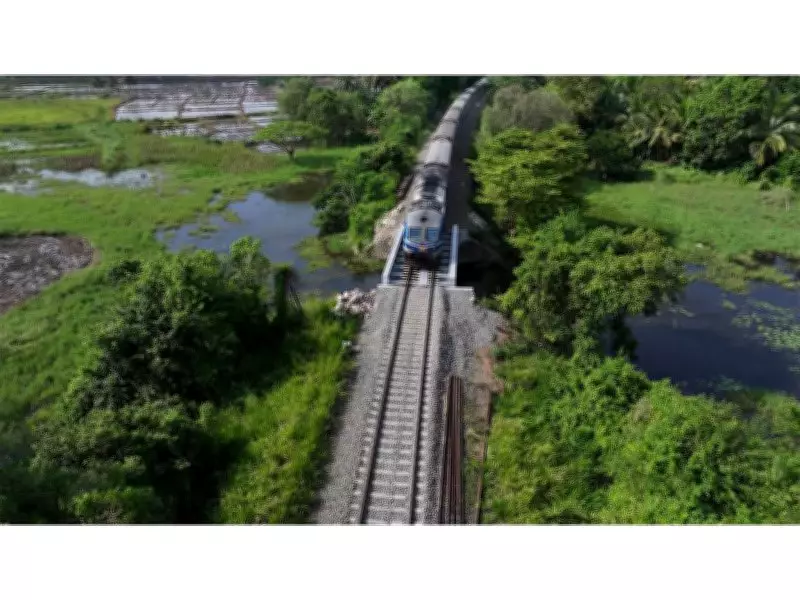
The project includes state-of-the-art railway infrastructure such as two crossing stations at Ghuman and Butala, 11 major bridges, 121 minor bridges, 54 Road Under Bridges (RUBs), modern signalling and telecommunication systems, and deployment of the Kavach safety system.
Historical Background
The Qadian–Beas rail link traces its origins to 1928–29 when it was approved by the then North-Western Railway. Construction made considerable progress by the early 1930s but was later discontinued due to changing priorities. The project was revived in 2010–11 under the Socially Desirable Rail Connectivity Programme and included in the supplementary Railway Budget. After prolonged delays and procedural hurdles, it has now been formally revived with a revised estimate of Rs 1,400 crore.
Strategic Significance
Beyond regional connectivity, the line holds strategic importance as an alternative rail corridor to the vital Amritsar–Pathankot section during emergencies and contingencies, thereby strengthening the resilience of railway operations in northern India.
Economic and Tourism Benefits
The rail link is expected to unlock significant economic opportunities by improving market access for farmers and agricultural produce, facilitating faster and more efficient transportation, boosting trade, commerce, and small-scale industries. It will also create employment opportunities during construction and operation and encourage investment and economic activity across the Majha region.
Improved access to several prominent religious and spiritual destinations is another key benefit. These include Qadian (birthplace of the Ahmadiyya Muslim Community), Dera Baba Jaimal Singh, Beas, Sri Darbar Sahib, Dera Baba Nanak, Gurdwara Achal Sahib, Gurdwara Bhagat Namdev Ji (Ghuman), Gurdwara Sahib Patshahi Panjavi (Burj Sahib), Gurdwara Baba Raja Ram Ji (Pandori Dham), Ram Sharnam Temple, Shirdi Sai Temple, and Gurdaspur. Enhanced connectivity is expected to significantly increase religious tourism and facilitate travel for pilgrims and visitors from across India and abroad.