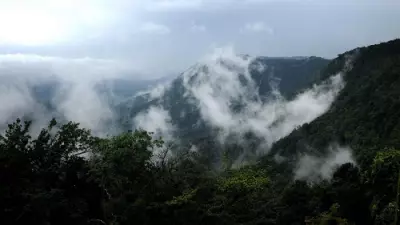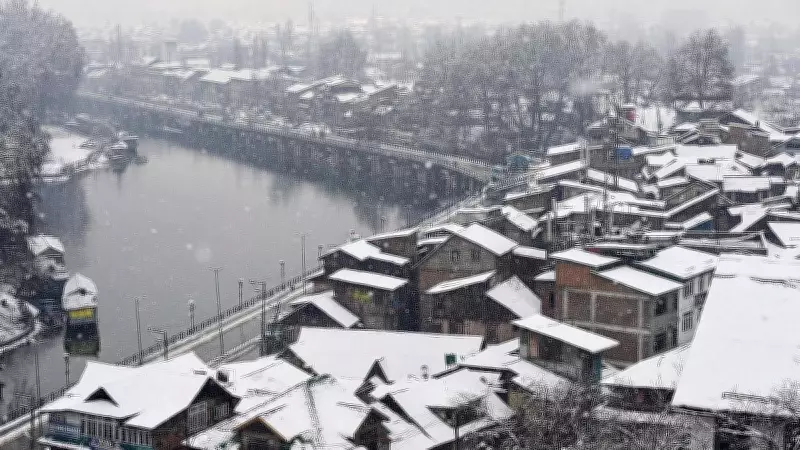
The Gujjar-Bakerwal nomadic communities in Jammu and Kashmir are facing severe disruptions to their traditional migration patterns due to heavy snowfall and harsh weather conditions. These communities migrate twice a year, moving to high Himalayan pastures in summer for grazing and returning to lower plains in winter to escape the extreme cold. However, recent unseasonal snowfall has blocked key routes, leaving many families stranded and struggling to survive.
Traditional Migration Routes Blocked
The nomads rely on well-established routes that connect their winter settlements in the lower plains to summer grazing grounds in the high-altitude meadows. This year, early and heavy snowfall has rendered these paths impassable. Many herders have been forced to halt their journey midway, with their livestock facing shortages of fodder and shelter. The situation is particularly dire for families with young children and elderly members, who are more vulnerable to the cold and lack of supplies.
Impact on Livelihood and Livestock
For the Gujjar-Bakerwal, livestock is the backbone of their economy. Sheep, goats, and cattle provide milk, meat, wool, and income. The disrupted migration threatens the health and survival of these animals. Without access to fresh grazing pastures, the animals are losing weight and falling ill. Some herders have reported losing dozens of livestock to the cold and starvation. This not only affects their immediate food security but also their long-term economic stability.

Government Response and Challenges
The Jammu and Kashmir administration has acknowledged the crisis and deployed teams to assist stranded nomads. Relief camps have been set up in some areas, providing food, blankets, and medical aid. However, the remote locations and continued snowfall have hampered rescue efforts. Many nomads are reluctant to leave their livestock behind, making evacuation difficult. Officials are working with local community leaders to identify safe routes and provide temporary shelter for both people and animals.
Climate Change and Future Concerns
Experts point to climate change as a key factor behind the increasing unpredictability of weather patterns in the region. Unseasonal snowfall, erratic rains, and rising temperatures are making traditional migration calendars obsolete. The Gujjar-Bakerwal, who have practiced transhumance for centuries, now face an uncertain future. Without adaptive strategies and support, their unique way of life is at risk of disappearing.
Community Resilience and Hope
Despite the hardships, the nomadic communities continue to demonstrate remarkable resilience. They share resources, help each other dig out livestock from snow, and maintain their cultural practices. Local NGOs and activists have also stepped in to provide aid and raise awareness about their plight. The nomads hope that with timely assistance and long-term planning, they can preserve their heritage and adapt to the changing climate.
In conclusion, the Gujjar-Bakerwal nomads of Jammu and Kashmir are facing one of their toughest migration seasons in recent memory. The combination of heavy snowfall, blocked routes, and climate change poses a serious threat to their survival. Immediate relief efforts are underway, but sustained support and policy changes are needed to ensure the continuity of their traditional lifestyle.