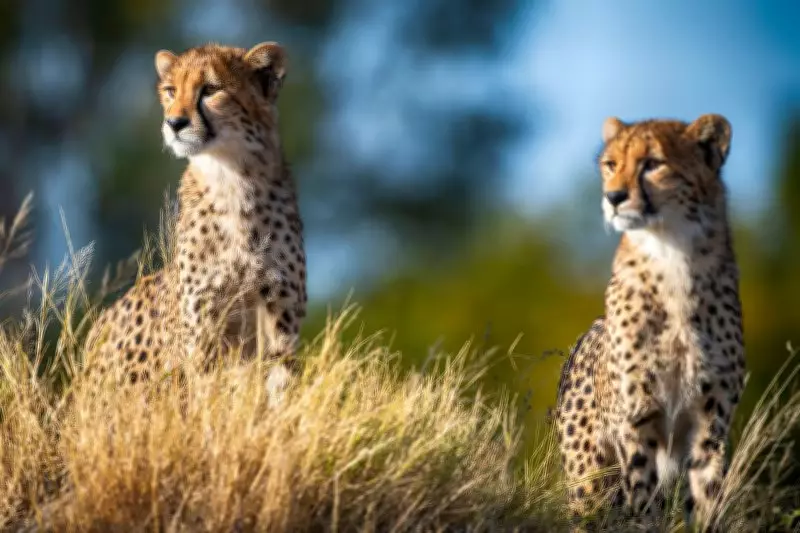
In a significant milestone for India's cheetah reintroduction initiative, two cheetahs from Botswana were released into the wild at Kuno National Park in Madhya Pradesh after completing their mandatory quarantine period. The two big cats, a male and a female, were translocated to India as part of the ambitious project to restore the cheetah population, which went extinct in the country over seven decades ago.
Quarantine and Release Process
The cheetahs arrived in India earlier this year and were kept in specially designed enclosures to undergo a 30-day quarantine. During this period, they were closely monitored by veterinarians and wildlife experts to ensure they were free from diseases and acclimatized to the local conditions. After receiving a clean bill of health, the pair was deemed fit for release into the larger wild habitat of Kuno National Park.
The release was carried out by a team of forest officials and wildlife biologists, who opened the gates of the quarantine enclosure, allowing the cheetahs to step out into their new home. The event was attended by senior state forest department officials and representatives from the Cheetah Conservation Fund.

Significance for the Cheetah Reintroduction Project
This release is a crucial step in the broader plan to establish a sustainable cheetah population in India. The project, which is being implemented in collaboration with the Namibian and Botswana governments, aims to introduce a total of 50 cheetahs over the next five years. Kuno National Park was selected as the first site due to its suitable habitat and adequate prey base.
Officials expressed optimism about the success of the project, noting that the cheetahs have shown positive signs of adaptation. The released pair will be tracked using satellite collars to monitor their movements, behavior, and integration into the ecosystem.
Conservation Efforts and Challenges
The reintroduction of cheetahs is not without challenges. Experts have highlighted potential threats such as habitat fragmentation, human-wildlife conflict, and poaching. To mitigate these risks, the forest department has implemented stringent protection measures, including increased patrolling and community awareness programs.
Local communities have been engaged in conservation efforts, with many expressing support for the project. The presence of cheetahs is expected to boost eco-tourism and provide economic benefits to the region.
Future Plans
Following the successful release of these two cheetahs, the next batch of animals is expected to arrive later this year. The project will also involve the translocation of cheetahs from South Africa and Namibia to ensure genetic diversity. Long-term plans include the establishment of a cheetah breeding center and the creation of a meta-population across multiple protected areas in India.
The release of the two Botswana cheetahs marks a historic moment for wildlife conservation in India, rekindling hopes of restoring the country's only extinct large mammal.