

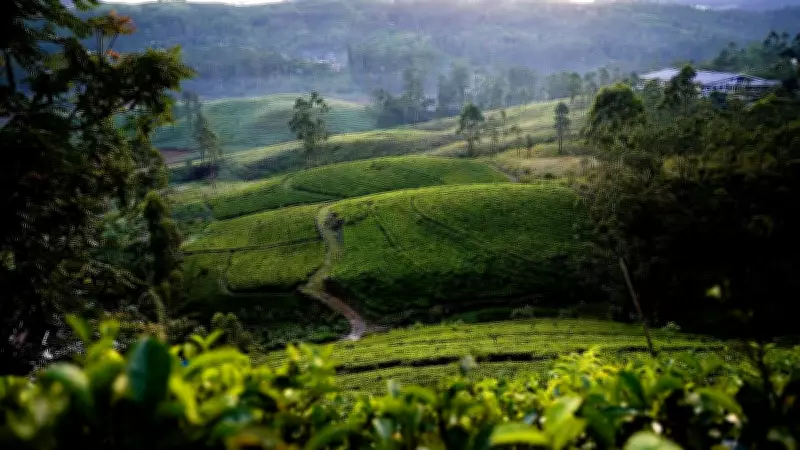
The ongoing conflict in West Asia is delivering a severe blow to Sri Lanka's tea industry, a critical pillar of the nation's economy. Tea plantation workers, who typically earn a daily wage between 1,350 and 1,750 rupees ($4.30 to $5.50), find this barely above the national daily minimum wage of 1,200 rupees. The crisis has exacerbated economic pressures on the island nation, already grappling with financial instability.
Impact on Tea Exports
Sri Lanka is one of the world's largest tea exporters, with West Asia accounting for a significant portion of its market. The conflict has disrupted shipping routes and trade agreements, leading to a sharp decline in orders. Exporters report a drop in demand from key buyers in Iran, Iraq, and other conflict-affected nations, forcing tea producers to seek alternative markets in Europe and East Asia. However, logistical challenges and higher transportation costs have hindered these efforts.
Worker Wages Under Pressure
The tea industry employs over 2 million people, many of whom are already vulnerable. With reduced exports, plantation owners have cut back on production, leading to fewer workdays for laborers. Union leaders warn that wages could fall below the minimum threshold if the situation persists. The government has pledged subsidies, but implementation remains slow.

Economic Strain Deepens
Sri Lanka's economy, still recovering from a severe debt crisis, now faces additional strain. The tea sector contributes nearly 5% to GDP and is a major source of foreign exchange. A prolonged slump could worsen the country's balance of payments and inflation. The Central Bank has revised growth forecasts downward, citing external shocks.
Industry Response and Future Outlook
Tea associations are diversifying markets and promoting specialty teas to attract higher prices. Some estates are investing in automation to reduce labor costs, though this raises concerns about job losses. The government is negotiating with West Asian nations to resume trade, but no timeline has been set. Analysts predict a slow recovery, dependent on de-escalation of the conflict.
The crisis underscores Sri Lanka's vulnerability to global geopolitical events. For now, tea workers and the broader economy brace for continued hardship.






