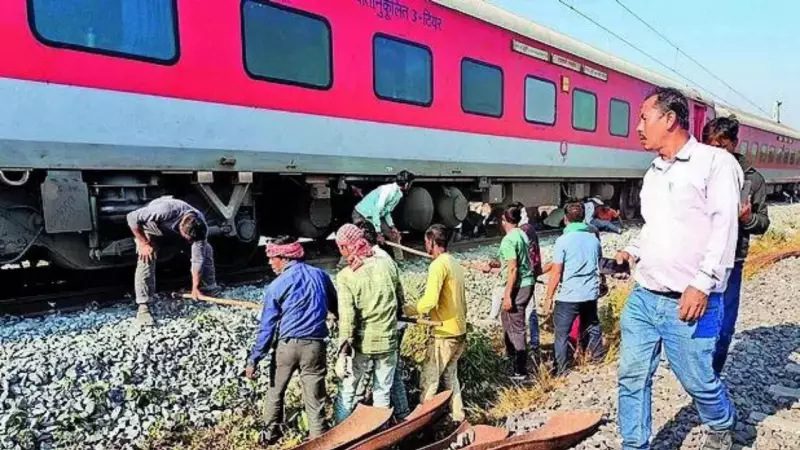
A tragic accident in Assam on Saturday has once again highlighted the deadly conflict between India's railway network and its wildlife, particularly elephants. At least seven elephants were killed after being hit by a high-speed passenger train. This incident has pushed the grim tally of such fatalities to a staggering 94 since the financial year 2019-20, according to official data.
The Rising Toll and Recurring Accidents
This recent collision marks the fourth such accident reported in the current year alone. Sources indicate that the last two accidents before this occurred in the Jalpaiguri district of West Bengal. The repeated incidents underscore a persistent and grave concern: the safety of elephants and other wildlife on rail corridors that cut through forested habitats.
The government had previously informed the Lok Sabha during the Monsoon session that 81 elephants lost their lives in train hits between 2019-20 and 2023-24. With Saturday's casualties, the updated figure has now reached 94, signaling an urgent and escalating problem.

Government Initiatives and the Need for More Action
Railway authorities state that several measures have been implemented to prevent these mishaps. The interventions include advanced technology like AI-powered Intrusion Detection Systems (IDS), sensors, and thermal cameras. Infrastructure changes such as constructing underpasses, erecting fencing, and clearing vegetation have also been undertaken. Additionally, eco-friendly buzzers are used in some areas to alert animals.
However, officials concede that these steps, while significant, are not enough. There is a clear and pressing need to intensify efforts and explore more effective solutions. The central government had listed these various interventions in Parliament, acknowledging the scale of the challenge.
A Comprehensive Plan for Safer Corridors
In a proactive step, a detailed report titled "Suggested Measures to Mitigate Elephant and Other Wildlife Train Collisions on Vulnerable Railway Stretches in India" has been prepared. This report is the outcome of extensive field surveys covering 127 identified railway stretches spanning 3,452.4 kilometers across the country.
Based on the intensity of wildlife movement observed, the report has prioritized 77 railway stretches covering 1,965.2 kilometers across 14 states for immediate mitigation efforts. It recommends site-specific interventions tailored to the unique challenges of each corridor. The comprehensive document, containing details of the identified stretches and proposed measures, has been shared with respective state governments and the railway ministry for necessary action.
The tragic death of seven elephants in Assam is a somber reminder that despite technological and infrastructural advances, the conflict between development and conservation continues. It calls for a faster, more robust, and consistently implemented action plan to protect India's majestic elephant populations from such preventable disasters.