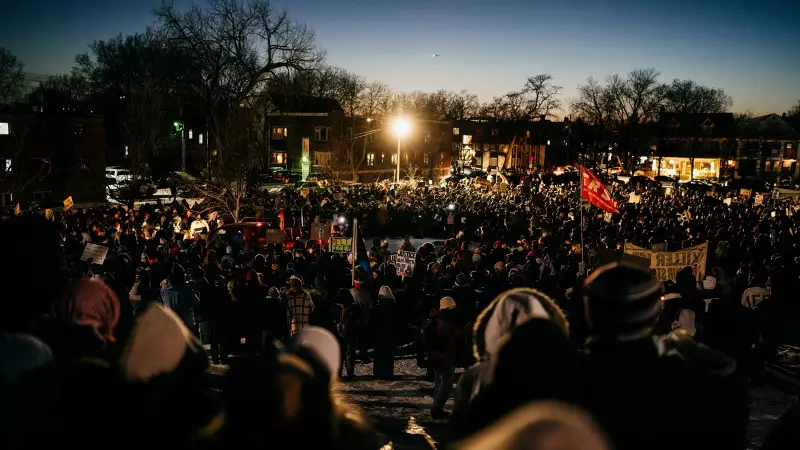
In a world increasingly marked by polarization, a nation finds itself deeply divided along political, social, and ideological lines. Yet, amidst the cacophony of conflicting voices and stark disagreements, there emerges a singular, unifying worry that transcends partisan divides: what lies ahead for the country and its people?
A Shared Anxiety in a Fractured Landscape
Citizens from all walks of life, regardless of their political affiliations or social backgrounds, are expressing a profound sense of unease about the future. This collective anxiety stems from a complex web of factors, including economic instability, political gridlock, and social fragmentation. As debates rage on various issues, from governance policies to cultural values, the underlying question remains the same: where is the nation headed, and what will the coming years bring?
Roots of the Uncertainty
The sources of this widespread concern are multifaceted. On one hand, political leaders and parties are engaged in intense rivalries, often leading to legislative stalemates and policy paralysis. This has created an environment where long-term planning and cohesive national strategies seem elusive. On the other hand, social divisions have deepened, with communities feeling increasingly alienated from one another, fueled by misinformation and polarizing rhetoric.

Economically, many citizens face challenges such as job insecurity, rising costs of living, and uncertain financial prospects. These issues compound the sense of instability, making it difficult for people to feel confident about their personal futures, let alone the nation's trajectory. The global context, with its own set of crises and uncertainties, only adds to this apprehension, as international events can have ripple effects on domestic stability.
Voices from Across the Spectrum
Interviews and surveys reveal that this worry is not confined to any single group. Supporters of different political ideologies, from conservatives to progressives, all express similar fears about the nation's direction. For instance, some worry about the erosion of democratic norms and institutions, while others are concerned about social cohesion and national identity. Despite their differing priorities, the common thread is a deep-seated anxiety about what the future holds.
The Impact on Daily Life
This pervasive uncertainty is affecting daily life in tangible ways. People report feeling more stressed and less optimistic, which can impact mental health and community well-being. Decision-making, whether in personal finances or career choices, is often clouded by this broader sense of instability. Families and individuals are grappling with how to prepare for an unpredictable future, leading to cautious spending and conservative planning.
Moreover, the political and social divisions have spilled over into public discourse, making it challenging to have constructive conversations about the nation's challenges. This environment of mistrust and polarization further exacerbates the worry, as it hampers efforts to find common ground and collaborative solutions.
Looking Ahead: Paths to Resolution
While the current situation seems daunting, there are potential pathways to address these concerns. Experts suggest that fostering dialogue and empathy across divides could help bridge gaps and reduce tensions. Strengthening institutions and ensuring transparent governance might restore some confidence in the political system. Additionally, focusing on economic reforms and social programs that benefit all citizens could alleviate some of the financial anxieties.
Ultimately, the shared worry about what's next highlights a critical need for unity and forward-thinking leadership. By acknowledging these common fears and working towards inclusive solutions, the nation might find a way to navigate its divisions and build a more stable, hopeful future for everyone.