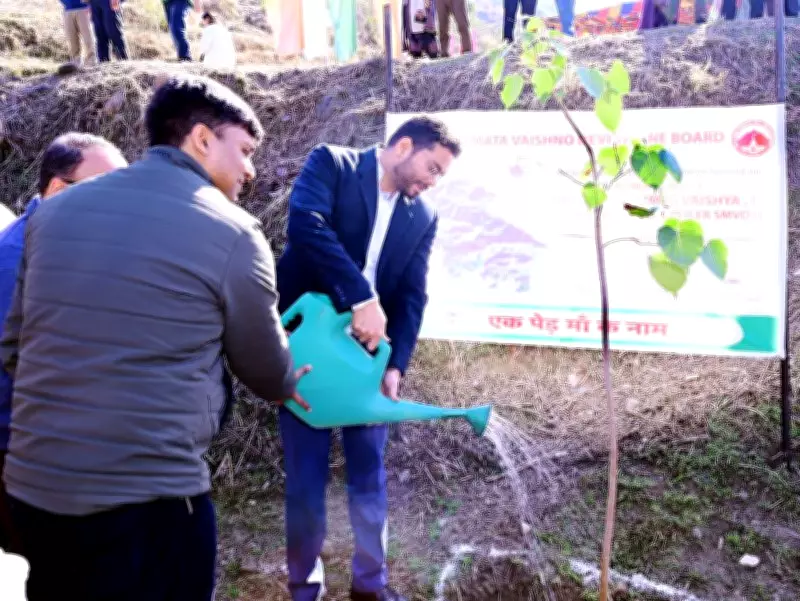
Second Phase of Aerial Seed Dispersal Launches in Trikuta Hills
The Jammu & Kashmir region has embarked on an ambitious ecological initiative with the commencement of the second phase of aerial seed dispersal in the Trikuta Hills. This innovative project leverages advanced drone technology to sow seeds across challenging terrains, marking a significant step forward in forest conservation and environmental restoration efforts.
Enhancing Forest Cover Through Technology
The aerial seed dispersal program is designed to address the difficulties of manual plantation in remote and inaccessible areas of the Trikuta Hills. By utilizing drones, authorities can efficiently distribute a variety of native tree and plant species over vast expanses, promoting biodiversity and strengthening the region's green cover. This phase builds upon the successes and lessons learned from the initial pilot project, aiming to scale up the impact and coverage.
Key Objectives and Expected Outcomes
The primary goals of this initiative include:

- Boosting Forest Density: Increasing the number of trees and plants in the Trikuta Hills to combat deforestation and soil erosion.
- Ecological Balance: Restoring natural habitats for wildlife and improving air and water quality in the region.
- Climate Resilience: Enhancing the area's ability to withstand climate change impacts through robust forest ecosystems.
Officials involved in the project have emphasized that the use of drones not only accelerates the seeding process but also ensures precision in seed placement, which is crucial for higher germination rates. The seeds selected for dispersal are specifically chosen for their adaptability to the local climate and soil conditions, increasing the likelihood of successful growth.
Community and Environmental Impact
Beyond ecological benefits, the aerial seed dispersal initiative is expected to have positive socio-economic effects. By improving forest health, it can support local communities through enhanced natural resources, such as better water retention and increased opportunities for eco-tourism. Moreover, this project aligns with broader national and state-level environmental policies aimed at achieving sustainable development goals.
The launch of the second phase underscores a continued commitment to leveraging technology for environmental conservation in Jammu & Kashmir. As the drones take to the skies over the Trikuta Hills, they carry the promise of a greener, more resilient landscape for future generations.