

Bab el-Mandab Strait: A Rising Geopolitical Flashpoint in Global Trade
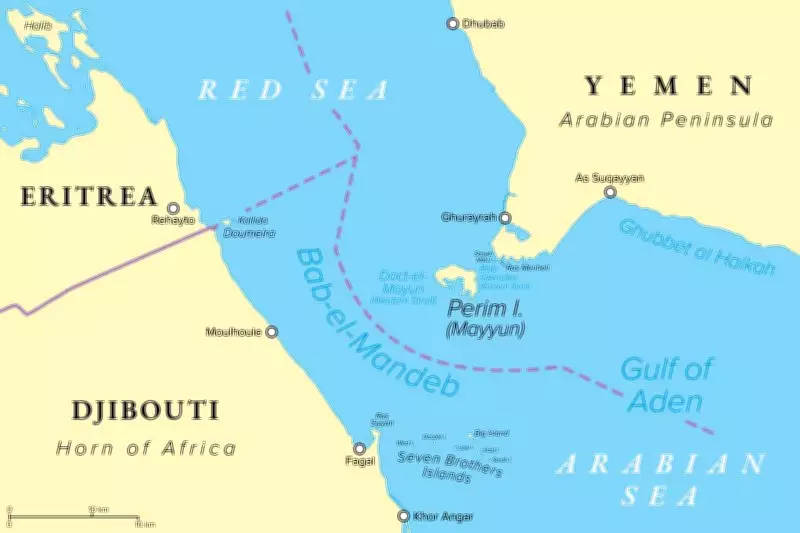
The Bab el-Mandab Strait, often referred to as the 'Gate of Tears,' is rapidly emerging as a significant geopolitical flashpoint on the world stage. This narrow maritime passage, situated between Yemen, Djibouti, and Eritrea, serves as a crucial link connecting the Red Sea to the Gulf of Aden. Its strategic importance cannot be overstated, as it acts as a major global choke point for international shipping and energy transport.
Strategic Significance and Geographic Location
Located at the southern entrance of the Red Sea, the Bab el-Mandab Strait is a vital corridor for global trade. It facilitates the movement of oil tankers and cargo ships traveling between the Indian Ocean and the Mediterranean Sea via the Suez Canal. The strait's name, which translates to 'Gate of Tears' in Arabic, hints at its treacherous waters and historical challenges for navigators.
Key Facts About the Bab el-Mandab Strait:- It separates the Arabian Peninsula from the Horn of Africa.
- The strait is approximately 20 miles wide at its narrowest point.
- It is bordered by Yemen to the north and Djibouti and Eritrea to the south.
- Over 4.8 million barrels of oil pass through daily, making it essential for global energy security.
Emerging Geopolitical Tensions
In recent years, the Bab el-Mandab Strait has become a focal point for geopolitical rivalries and conflicts. The ongoing civil war in Yemen has heightened instability in the region, with Houthi rebels targeting commercial vessels and military ships. This has raised concerns about maritime security and the free flow of trade.

Additionally, the strategic interests of global powers such as the United States, China, and regional players like Saudi Arabia and Iran intersect in this area. Military bases and naval patrols have been established by various nations to protect their interests, further complicating the geopolitical landscape.
Impact on Global Trade and SecurityAny disruption in the Bab el-Mandab Strait could have far-reaching consequences for the global economy. The strait is a critical route for oil shipments from the Persian Gulf to Europe and North America. Instability here can lead to increased shipping costs, higher insurance premiums, and potential supply chain delays.
- Increased piracy and terrorist threats pose risks to commercial shipping.
- Regional conflicts could escalate, drawing in international military interventions.
- Climate change and environmental factors may affect navigability in the future.
As geopolitical tensions continue to rise, the Bab el-Mandab Strait remains a key area to watch for its implications on international relations and trade security. Stakeholders worldwide are closely monitoring developments to mitigate risks and ensure stability in this vital maritime corridor.






