

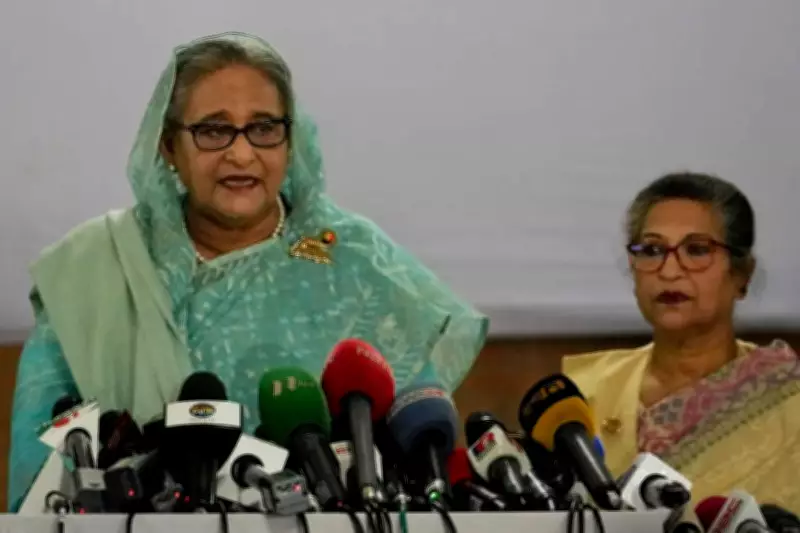
Bangladesh Court Sentences Prime Minister Sheikh Hasina to 10 Years in Jail in Two Corruption Cases
A court in Bangladesh has delivered a landmark verdict, sentencing Prime Minister Sheikh Hasina to a total of 10 years in prison in two distinct corruption cases. This decision represents a major turning point in the nation's political and judicial history, with potential far-reaching implications for governance and legal accountability.
Details of the Court Verdict and Legal Proceedings
The sentencing was announced on February 2, 2026, following extensive legal proceedings that have captured national and international attention. The cases involved allegations of financial misconduct and abuse of power, which were thoroughly examined by the judicial authorities over a prolonged period.
According to court documents, the charges stemmed from incidents that allegedly occurred during Sheikh Hasina's tenure as the head of government. The prosecution presented evidence suggesting irregularities in government contracts and misappropriation of public funds, leading to the convictions.

Political Repercussions and Public Reaction
This verdict is expected to trigger significant political upheaval in Bangladesh, as Sheikh Hasina has been a dominant figure in the country's politics for decades. Her party, the Awami League, has expressed strong opposition to the court's decision, labeling it as politically motivated and vowing to challenge the ruling through legal avenues.
Public reaction has been mixed, with supporters of the Prime Minister staging protests and calling for her immediate release, while opposition groups have hailed the judgment as a victory for justice and anti-corruption efforts. The situation has heightened tensions across the country, with authorities increasing security measures to prevent any potential unrest.
International Response and Diplomatic Implications
The international community is closely monitoring the developments, with several countries and global organizations issuing statements regarding the verdict. Diplomatic observers note that this case could impact Bangladesh's foreign relations, particularly with nations that have strong ties to Sheikh Hasina's administration.
Human rights groups and legal experts are also weighing in on the proceedings, emphasizing the importance of a fair trial and the rule of law. The case has sparked debates about judicial independence and the handling of high-profile corruption allegations in South Asia.
Future Legal Steps and Potential Appeals
Legal experts indicate that Sheikh Hasina's defense team is likely to file appeals against the sentences, which could prolong the legal battle for months or even years. The appeals process will be critical in determining the final outcome and whether the Prime Minister will serve any prison time.
In the meantime, the verdict raises questions about the continuity of governance in Bangladesh, as the country may face a leadership vacuum or political instability. Analysts are speculating on possible scenarios, including interim arrangements or early elections, depending on how the situation unfolds.
This court decision underscores the ongoing challenges of combating corruption in political systems and highlights the complex interplay between law, politics, and public accountability in the region.






