

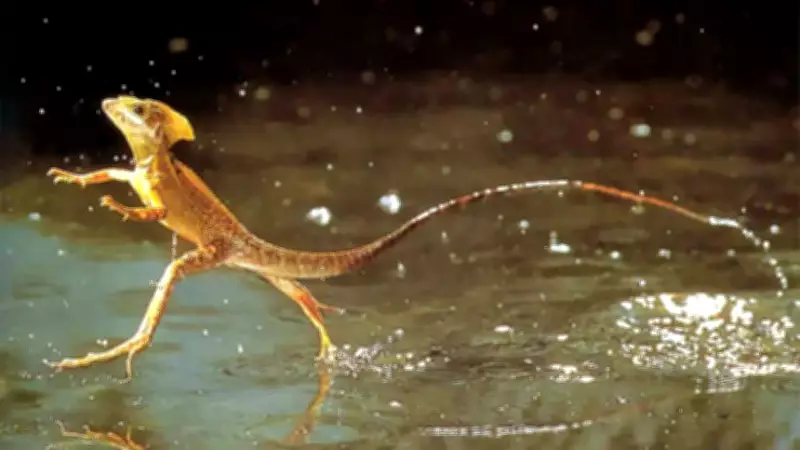
The Basilisk Lizard: Nature's Master of Walking on Water
The Basilisk lizard, often called the "Jesus Christ lizard," is an amphibious reptile native to the tropical regions of Central and South America. Renowned for its extraordinary ability to walk on water, this creature is typically found near rivers and streams, where water plays a critical role in its survival strategies. Within the basilisk family, multiple species exist, each adapted to distinct habitats, and their body structures enable rapid movement.
Physical Characteristics and Appearance of Basilisk Lizards
Basilisk lizards are medium-sized reptiles with elongated bodies and tails that make up a significant portion of their total length. The largest individuals can reach up to 0.9 meters when including the tail. Generally, male basilisks are larger than females. Many species feature crests reminiscent of cockatoos, with males displaying elaborate versions used in courtship dances to attract females. Coloration varies widely among types, ranging from vibrant hues to plain shades of brown or olive.
How Basilisk Lizards Move Across Water
The lizard's ability to traverse water is facilitated by specialized hind legs. Their toes are elongated with fringes of skin along the sides. When moving quickly across water, the lizard repeatedly strikes the surface with its feet, creating air pockets that support its body weight. This locomotion relies on speed, coordination, and force to prevent sinking, allowing for efficient movement over aquatic surfaces.

Species Diversity Among Basilisk Lizards
The genus includes four recognized species, each with unique traits and geographic ranges:
- The green basilisk (Basiliscus plumifrons) is found in rainforests from Honduras to Costa Rica, noted for its bright coloration and prominent crests.
- The common basilisk (Basiliscus basiliscus) has a broader distribution, inhabiting diverse environments like dry forests and wetlands.
- The brown basilisk (Basiliscus vittatus) is smaller and commonly seen in both natural and urban settings.
All species share similar locomotion abilities but differ in appearance and habitat preferences.
Behavior and Social Structure of Basilisk Lizards
Basilisk lizards are generally solitary creatures. While individuals may gather near water sources, social interactions are limited. Males establish territories and can exhibit aggressive behaviors, such as head movements and chasing intruders. During breeding seasons, males perform visual displays to attract females, aiding in reproduction and territorial maintenance within their ecosystems.
Reproduction and Growth of Basilisk Lizards
Reproduction involves egg-laying in shallow nests, typically located in sandy areas close to water. A single nest can contain up to 20 eggs, with an incubation period of two to three months before hatching. Newborns are independent from birth, requiring no parental care. They grow rapidly, reaching adulthood within a year, and have an average lifespan of about seven years in the wild.
Diet and Feeding Habits of Basilisk Lizards
These lizards are omnivorous, consuming a varied diet that includes insects, fruits, plant material, and small vertebrates like fish and amphibians. Juveniles primarily eat insects to meet nutritional needs for growth, while adults incorporate a wider range of food sources based on availability in their habitat.
Habitat of Basilisk Lizards
Basilisk lizards inhabit tropical rainforests, marshes, and riverbanks across Central and South America. Countries such as Costa Rica provide ideal environments due to abundant vegetation and water resources. Their presence in ecosystems helps maintain balance by regulating insect populations and aiding in seed dispersal.
Conservation Status and Threats to Basilisk Lizards
Currently, most basilisk species are not classified as endangered. However, habitat destruction from deforestation and urbanization poses significant threats, leading to population isolation and resource scarcity. In regions like Costa Rica, conservation efforts focus on preserving rainforest habitats, which is crucial for sustaining their populations and ensuring long-term survival.






