Bengal Dominates Great Backyard Bird Count for Fourth Straight Year
West Bengal has once again emerged as India's top performer in the Great Backyard Bird Count (GBBC), marking the fourth consecutive year the state has recorded the highest number of species. This global birding event, conducted between February 13 and 16 across 37 states and union territories, saw Bengal document an impressive 518 species out of India's total of 1,083+.
Record-Breaking Performance and District-Level Highlights
According to preliminary data compiled by the Birdwatchers' Society (BWS), Bengal's species count represents a significant contribution to India's overall tally, which increased from 1,068 species last year to 1,083 this year. Santanu Manna, Bengal coordinator for the event and BWS member, emphasized that these numbers were still being finalized as reports continued to arrive.
At the district level, Birbhum led Bengal's list with 219 recorded species, followed closely by South 24 Parganas with 201 species and Malda with 180 species. In terms of checklists—detailed records of birds observed, heard, or identified—South 24 Parganas submitted 359, making it the state's top district, with Malda (311) and Kolkata (218) following.

Notable Sightings and Conservation Efforts
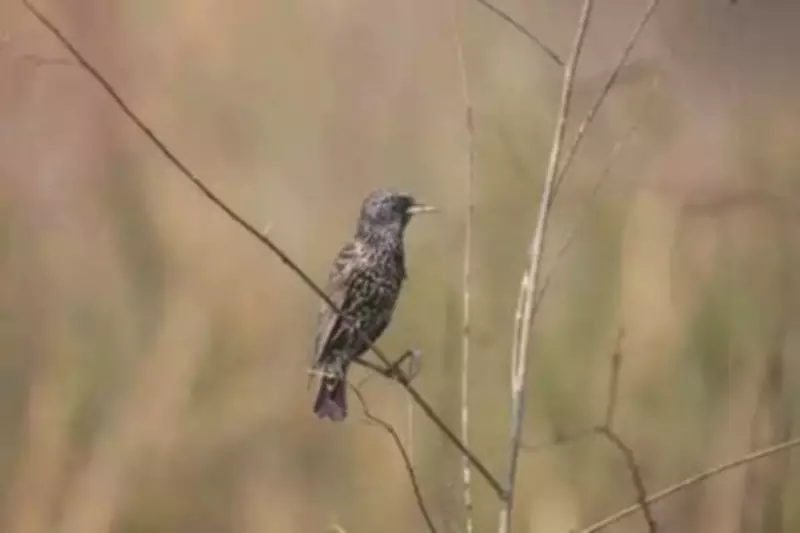
The GBBC yielded several remarkable bird sightings in Bengal this year. Sayanta Basak recorded a snowy-browed flycatcher and a smew in Malda, while Sujit Kumar Mandal spotted a common starling in Baruipur. Kanad Baidya of BWS highlighted the Hodgson's bushchat observed in Bolpur both before and during the count as an important record for the region.
Sujan Chatterjee of the Birdwatchers' Society explained the event's structure: "Under the four-day initiative that began in 1998 by the Cornell Lab of Ornithology and National Audubon Society, participants venture out to count birds and upload their observations to eBird, an online database."
Challenges and Community Engagement
When asked why Bengal's species count has remained around 500+ for several years, Chatterjee cited factors such as increased participation concentrated around Kolkata and scheduling conflicts with Madhyamik or Higher Secondary exams. He noted, "We are organizing more camps and campus bird walks to engage citizens, including students, and foster a passion for birding."
Top observers in Bengal included Subhra Pakhira with 273 species, Baharuddin Sk with 245, and Sayanta Basak with 169. Manna provided additional insights: "Every district submitted at least three checklists. While 382 species have been recorded consistently over the past four years, 6 species were unique to this year's count, and 25 species from previous years were not observed this time."
Educational Institutions and Broader Impact
The GBBC's reach extended to several educational campuses across Bengal, including IIM Joka, Presidency University, Durgapur College, Bijoygarh Jyotish Ray College, and Shyampur Siddheswari Mahavidyalaya in Howrah. These initiatives aim to integrate birdwatching into academic and community settings, promoting environmental awareness.
Despite Bengal's high species count, Kerala led India in checklist submissions with over 12,702 entries, compared to Bengal's 2,012—a decrease from 2,542 in 2024. This highlights the growing nationwide interest in bird conservation and citizen science, with the GBBC serving as a key platform for data collection and public engagement.