Chandapura Lake in Bengaluru Faces Prolonged Pollution Crisis Throughout 2025
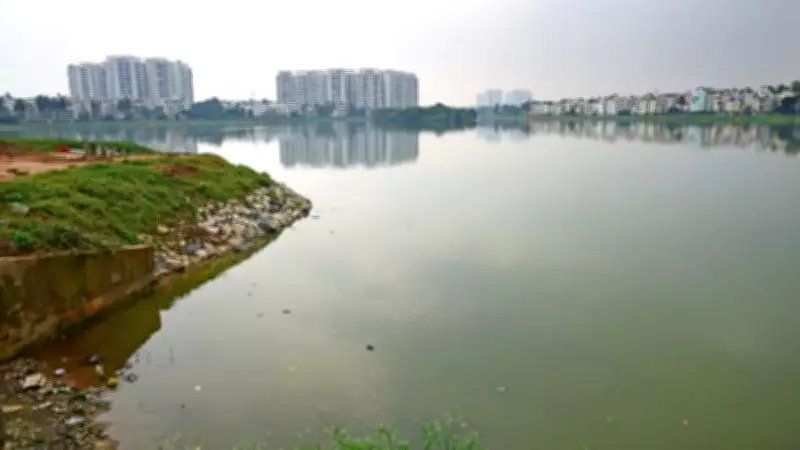
In a distressing environmental development, Chandapura Lake, located in the bustling city of Bengaluru, Karnataka, has remained in a state of severe pollution for the majority of the year 2025. This persistent contamination has sparked widespread alarm among residents, environmentalists, and local authorities, highlighting ongoing challenges in urban water body management.
Extent and Duration of the Pollution
The lake, a significant water body in the region, has been plagued by high levels of pollutants for most of 2025. Reports indicate that the contamination includes industrial waste, sewage discharge, and plastic debris, leading to deteriorated water quality. This prolonged pollution episode has not only affected the lake's ecosystem but also posed risks to nearby communities relying on the water for various purposes.
Environmental and Health Implications
The degradation of Chandapura Lake has severe consequences for local biodiversity. Aquatic life has been severely impacted, with fish kills and loss of habitat reported. Moreover, the polluted water poses direct health hazards to residents, potentially causing waterborne diseases and other ailments due to exposure to toxic substances.

Experts warn that without immediate intervention, the lake could face irreversible damage, exacerbating Bengaluru's already strained water resources.
Response from Authorities and Community
Local government bodies and environmental agencies have been alerted to the crisis, with some efforts initiated to address the pollution. However, these measures have proven insufficient to fully mitigate the contamination, leading to calls for more robust and sustained action. Community groups have also mobilized, advocating for stricter enforcement of pollution controls and better waste management practices in the area.
- Increased monitoring of industrial discharges into the lake.
- Proposals for sewage treatment plant upgrades to prevent untreated waste flow.
- Public awareness campaigns to reduce plastic usage and littering.
Broader Context and Future Outlook
This incident is part of a larger pattern of water pollution issues in Karnataka and India, underscoring the urgent need for comprehensive environmental policies. As Bengaluru continues to urbanize, protecting its lakes is crucial for sustainable development. Moving forward, stakeholders emphasize the importance of collaborative efforts between government, industry, and citizens to restore Chandapura Lake and prevent similar crises in other water bodies.
The situation at Chandapura Lake serves as a stark reminder of the environmental challenges facing modern cities, urging prompt and effective action to safeguard natural resources for future generations.