Bengaluru summers were not always like this. There was a time before the 1990s when the city’s heat was considered mild enough to attract people escaping the furnace of the plains. The city, once known for its pleasant climate, has transformed into a place where the patience for leaves has waned. The change has been gradual but unmistakable.
The Shift in Bengaluru's Climate
In the past, Bengaluru's summers were a refuge from the scorching heat of other Indian cities. The gentle breeze and moderate temperatures made it a preferred destination for those seeking relief. However, over the decades, rapid urbanization, loss of green cover, and increased concretization have altered the city's microclimate. Today, the summers are hotter, and the city seems to have little tolerance for anything that disrupts its new, harsher rhythm.
Impact on City Life
The changing climate has affected daily life in Bengaluru. Residents now face longer periods of heat, with temperatures frequently crossing 35 degrees Celsius. The once-common sight of people strolling in parks during summer afternoons has become rare. The city's infrastructure, not designed for such heat, struggles to cope. Power outages and water shortages have become common, adding to the discomfort.

The phrase "no patience for leaves" symbolizes the city's loss of greenery and the patience required to maintain it. Trees that once lined the streets are being cut down for development projects, and the remaining ones struggle to survive in the harsh conditions. The city's relationship with nature has become strained, mirroring the changing attitudes of its residents.
Historical Context
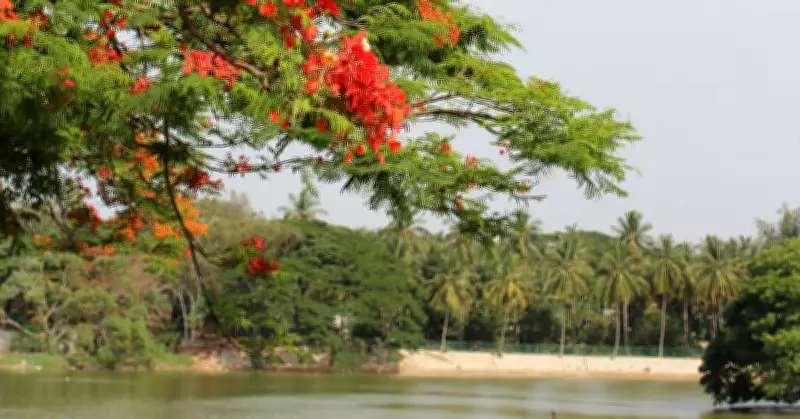
Before the 1990s, Bengaluru was known as the "Garden City" for its abundant parks and tree-lined avenues. The climate was temperate, with summer temperatures rarely exceeding 30 degrees Celsius. The city's layout, with its many lakes and green spaces, helped regulate the temperature. However, the economic boom of the 1990s brought rapid urbanization, leading to the loss of many of these natural features.
Today, Bengaluru is a bustling metropolis, but it has paid a price for its growth. The heat island effect, where urban areas become significantly warmer than their rural surroundings, is now a reality. The city's summers are no longer mild, and the patience for leaves—both literal and metaphorical—has worn thin.
The Way Forward
Efforts are being made to restore some of the city's lost green cover. Initiatives to plant trees and revive lakes are underway, but they face challenges from rapid construction and apathy. The city's residents are also becoming more aware of the need to adapt to the changing climate. However, the journey back to the Bengaluru of old is long and uncertain.
As the city continues to evolve, the question remains: Can Bengaluru regain its patience for leaves, or will it continue to lose its green heritage? The answer lies in the collective will of its people and policymakers to prioritize sustainability over short-term gains.