Heritage Trees of Chandigarh: A Living Legacy
Chandigarh, known as the City Beautiful, is celebrated for its meticulously planned layout, lush green landscapes, and tree-lined avenues. Among its greatest natural assets are the majestic mature trees that have stood for decades, silently witnessing the city's journey since its inception. These towering trees are more than just part of the landscape — they are living heritage, serving as significant green landmarks and playing a vital role in preserving Chandigarh's ecological balance and unique character.
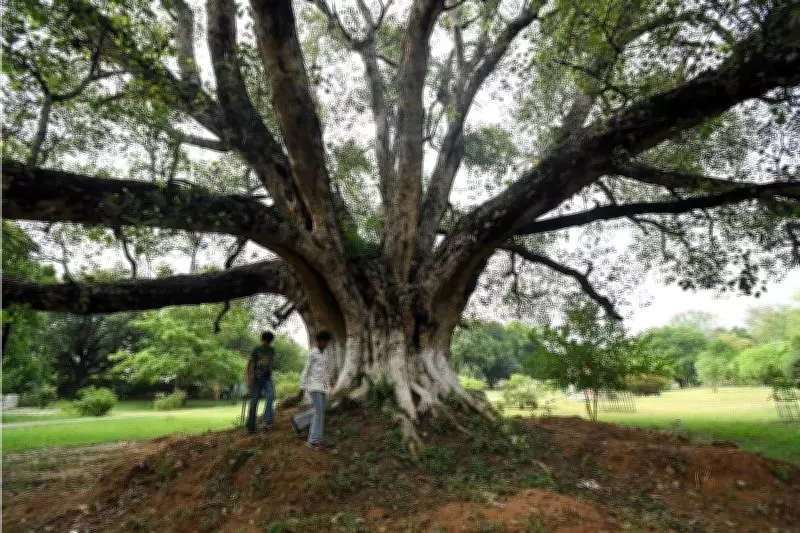
In a special photo feature, Principal Staff Photographer Ravi Kumar captures some of Chandigarh's most iconic heritage trees, showcasing the city's rich natural legacy. The collection includes the nearly 350-year-old Bargad at Punjab Engineering College, Sector 12; the 300-year-old Bargad in Dadu Majra village; the 250-year-old Peepal at the MC Park, Sector 9; the 200-year-old Peepal at the Basanti Devi Sheetla Mata Temple, Sector 24-B; the 170-year-old Banyan Tree at the Government Girls Senior Secondary School, Sector 18-D; and the 150-year-old Peepal along the Sukhna Lake walkway in Sector 1.
Ecological and Cultural Significance
These heritage trees are not just aesthetic assets; they are crucial for maintaining ecological balance. They provide shade, improve air quality, support biodiversity, and contribute to the city's microclimate. Culturally, they are revered as sacred symbols and have been part of community life for generations. The nearly 350-year-old Bargad at Punjab Engineering College is a prime example, having stood long before Chandigarh was planned and built.

The 300-year-old Bargad in Dadu Majra village and the 250-year-old Peepal in Sector 9 are also significant landmarks that connect residents to the city's pre-urban past. Each tree tells a story of resilience and continuity, witnessing the transformation of a planned city into a thriving urban center.
Preserving Green Heritage
Chandigarh's administration has recognized the importance of these trees and has taken steps to protect them. The city's abundant green cover, well-maintained parks, and rich biodiversity not only enhance its visual appeal but also provide a healthy and sustainable environment for its residents and visitors. The heritage trees are often included in conservation efforts, with measures to prevent damage from development or pollution.
The photo feature highlights the multi-trunk latticework Banyan in Sector 18 and the Bargad tree at PEC, among others. Each image reflects the timeless beauty, grandeur, and historical significance of these living monuments, which continue to enrich Chandigarh's green landscape and reinforce its identity as one of India's finest garden cities.
Community and Tourism
These heritage trees also attract tourists and nature enthusiasts, who come to admire their size and age. They serve as natural landmarks for navigation and are popular spots for photography, meditation, and leisurely walks. The Peepal tree at Sukhna Lake, for instance, is a favorite among visitors and locals alike, offering a serene spot by the water.
As Chandigarh continues to develop, preserving these living giants is essential for maintaining the city's character and environmental health. They are a testament to the foresight of the city's planners, who integrated nature into urban design, and a reminder of the need for sustainable development.