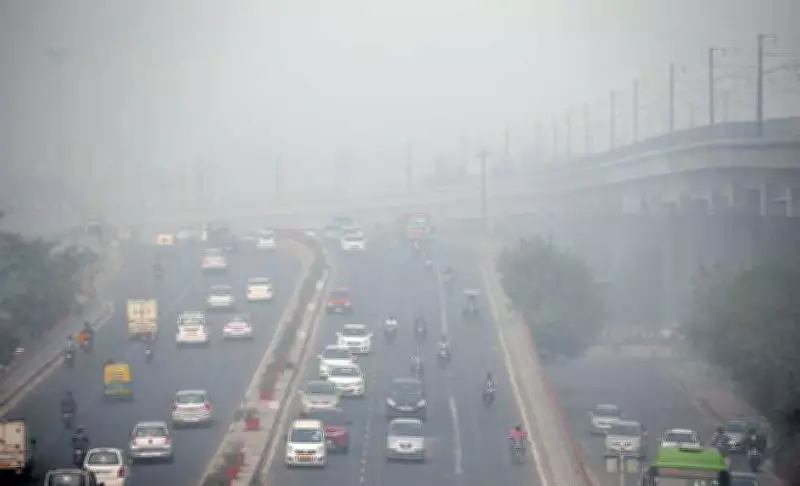
The Delhi Government on Friday launched the ‘Clean Air, Healthy Delhi’ programme, a Rs 8,300-crore, seven-year initiative aimed at improving air quality through technology-driven interventions, stronger institutional coordination and cleaner transport.
Chief Minister Rekha Gupta inaugurated an orientation workshop for the programme, during which the World Bank handed over confirmation of the Project Preparation Grant Facility to the Delhi Government. The project will be implemented from September 2026 to August 2033, with 65 per cent funding through a World Bank loan and the remaining 35 per cent contributed by the Delhi Government.
Programme aligned with National Clean Air Programme
The programme is aligned with the National Clean Air Programme (NCAP) and has two key components. The first focuses on strengthening air quality management by setting up a dedicated Project Management Unit, expanding the air quality monitoring network, developing advanced data analytics systems and establishing an Integrated Command and Control Centre for real-time monitoring. It also aims to improve inter-departmental coordination, public awareness and technological innovation.

The second targets emissions from major pollution sources by phasing out old and highly polluting vehicles, promoting electric vehicles, expanding public transport, improving pollution testing infrastructure, controlling dust from roads and construction sites, and strengthening waste management.
Key participants and technical sessions
The workshop was attended by Cabinet Ministers Parvesh Verma, Ashish Sood and Manjinder Singh Sirsa, World Bank Acting Country Head Paul Procee, representatives of the Union Government’s Department of Economic Affairs and senior officials from the Delhi Pollution Control Committee (DPCC), Municipal Corporation of Delhi (MCD), Public Works Department (PWD), New Delhi Municipal Council (NDMC), Delhi Transco Limited (DTL) and the Delhi Jal Board.
Technical sessions covered financial management, procurement, environmental safeguards and institutional preparedness under the World Bank’s Programme-for-Results framework. Officials also discussed measures to improve public transport, reduce road dust and strengthen solid waste management.