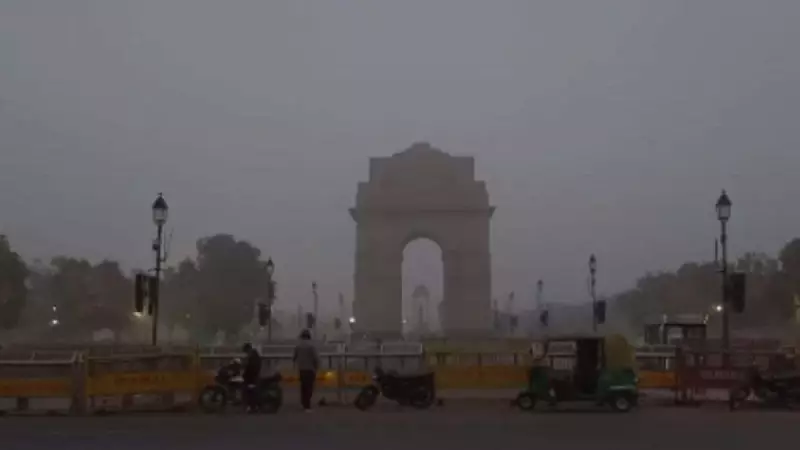
The dawn of the New Year 2026 brought unexpected weather surprises to India's two major metropolises. Both Delhi and Mumbai welcomed January 1st with showers and a significant dip in temperatures, disrupting holiday plans and setting new records for the winter season.
Delhi Shivers Under Record-Breaking Cold
The national capital experienced a particularly harsh start to the year. According to the India Meteorological Department (IMD), Delhi recorded a minimum temperature of 3.9 degrees Celsius on the morning of January 1st, 2026. This reading marks the coldest December day for the city in the last six years, a stark reminder of the intense winter chill. The previous record for a similarly cold December day was set back in 2019.
The cold wave was accompanied by light to moderate rainfall across several parts of the city and the broader National Capital Region (NCR). This combination of rain and low temperatures led to a high relative humidity level of 100%, intensifying the feeling of cold discomfort for residents. The IMD has attributed this weather pattern to a combination of western disturbances and moisture incursion from the Arabian Sea.

Mumbai Receives Unseasonal New Year Showers
Meanwhile, on the western coast, Mumbai also experienced a damp New Year's day. The financial capital witnessed light rain and drizzle, which brought a slight relief from the usual humid warmth but also caused unexpected disruptions. The showers were reported from various suburbs, including Colaba and Santacruz.
The IMD has forecast that the rainfall activity in Mumbai is likely to continue for the next 24 to 48 hours. This unseasonal wet spell in early January is notable for the city, which typically experiences dry and mild weather during this period. Authorities have advised citizens to be cautious while commuting as roads may become slippery.
Forecast and Wider Impact Across North India
The weather office has indicated that the current conditions are part of a larger system affecting North India. The IMD has predicted light to moderate rainfall at many places with isolated heavy falls over Punjab, Haryana, and Rajasthan in the coming days. A yellow alert has been issued for several districts in these states, urging people to stay updated with the latest weather bulletins.
The sudden change in weather has had several immediate consequences:
- Flight and train schedules faced minor delays in both Delhi and Mumbai due to reduced visibility and precautionary measures.
- The New Year celebrations and outdoor events planned for the day were adversely affected, with many being moved indoors or canceled.
- There is a rising concern for health issues such as flu and respiratory problems, especially among the elderly and children, due to the sharp cold and damp conditions.
- The agricultural sector in the surrounding regions is also monitoring the situation closely, as untimely rain can impact certain rabi crops.
Meteorologists are closely watching the movement of the western disturbance. While the rain is expected to gradually reduce, the cold day conditions are likely to persist over North-West India for the next two to three days. Residents in the affected regions are advised to take necessary precautions, wear warm clothing, and avoid early morning and late evening outdoor exposure. The weather department continues to monitor the situation and will provide updates as the system evolves.