

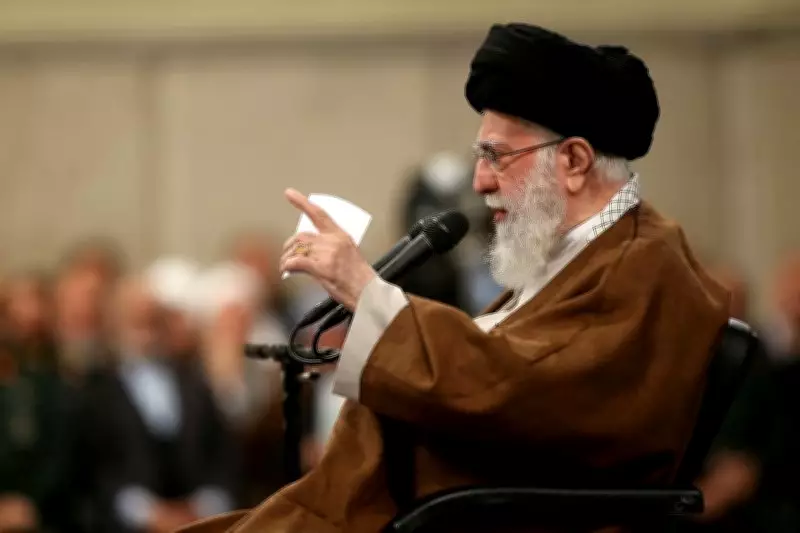
In a significant diplomatic move, foreign ministers from the European Union have collectively approved a new set of sanctions against Iran. This decision comes as a direct response to Tehran's severe crackdown on recent protests within the country, according to statements from EU diplomats.
Background and Context of the Sanctions
The approval of these sanctions follows escalating tensions between the EU and Iran over human rights issues. The protests in Iran, which have drawn international attention, were met with a harsh response from Tehran authorities, prompting widespread condemnation from Western nations.
Details of the Sanctions Package
While specific details of the sanctions remain under wraps, EU diplomats indicate that the measures target key individuals and entities involved in the crackdown. The sanctions are designed to exert pressure on Iran to adhere to international human rights standards and curb its aggressive tactics against demonstrators.

This move underscores the EU's commitment to upholding democratic values and protecting civil liberties globally. It also reflects growing concerns over Iran's internal policies and their impact on regional stability.
International Reactions and Implications
The imposition of new sanctions is likely to strain EU-Iran relations further, potentially affecting diplomatic talks and economic ties. Other global powers, including the United States, have previously imposed similar measures, and this EU action aligns with broader international efforts to hold Iran accountable.
Experts suggest that these sanctions could influence Iran's domestic policies and its engagement with the international community. However, the long-term effectiveness of such measures in prompting behavioral change remains a topic of debate among analysts.
Future Outlook and Diplomatic Moves
Looking ahead, the EU is expected to monitor the situation closely and may consider additional measures if Iran's response to the protests does not improve. This development highlights the ongoing challenges in balancing diplomatic engagement with human rights advocacy in international relations.
In summary, the EU's approval of new sanctions against Iran marks a pivotal moment in the bloc's foreign policy, emphasizing its stance against human rights violations and its willingness to take concrete actions in support of global justice.






