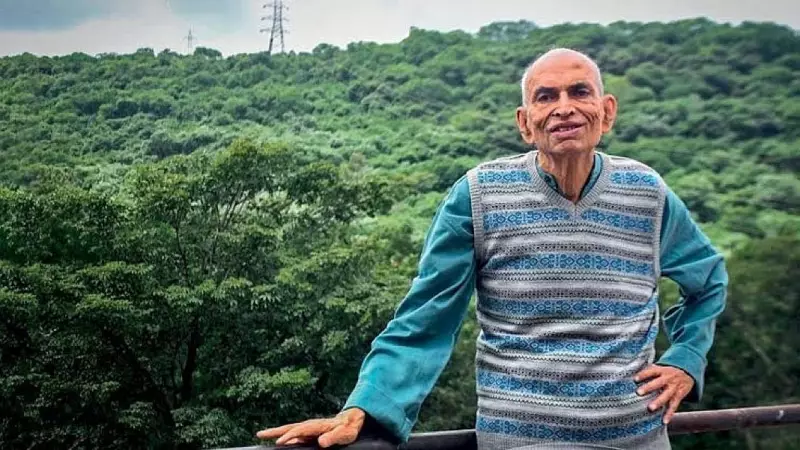
In a powerful and timely editorial, the prescient warnings of renowned ecologist Madhav Gadgil have been brought back into focus. The central argument underscores a critical shift needed in India's approach to environmental conservation: moving beyond state-led mechanisms to empower local governance.
The Core Argument: Local Custodianship Over State Control
Gadgil, a distinguished people's scientist, has consistently championed a grassroots model for protecting India's fragile ecosystems. His analysis presents a compelling case that gram panchayats and local community bodies are often far more effective and committed custodians of natural resources than state governments. The reasoning is stark: state administrations frequently operate under intense short-term economic and political pressures, which can lead to decisions that compromise long-term ecological health for immediate gains.
Why Gram Panchayats Succeed Where States Falter
The editorial highlights the inherent strengths of local community involvement. Gram panchayats have a direct, vested interest in the sustainability of their immediate environment—their water sources, forests, and farmland. Their survival and cultural practices are intimately tied to the health of these resources. This creates a natural incentive for stewardship that transcends electoral cycles and top-down development agendas. Gadgil's work suggests that when these communities are given legal authority and support, they implement conservation practices that are both rigorous and culturally coherent.

A Warning and a Pathway Forward
The republication of these views serves as both a warning and a clear pathway. It warns of the continued risks of ignoring localized knowledge and governance in environmental policy. Concurrently, it maps a solution: decentralizing conservation authority. For this to work, it requires a systemic shift where:
- Gram panchayats are granted genuine decision-making power over local natural resources.
- Scientific expertise is made accessible to these local bodies to inform their choices.
- Policy frameworks move from being restrictive to enabling community-led protection.
The editorial, dated 09 January 2026, reiterates that Gadgil's insights remain critically relevant. As India faces escalating environmental challenges, from biodiversity loss to climate vulnerability, the model of community-led conservation advocated by the scientist offers a resilient and democratic alternative to faltering top-down methods.