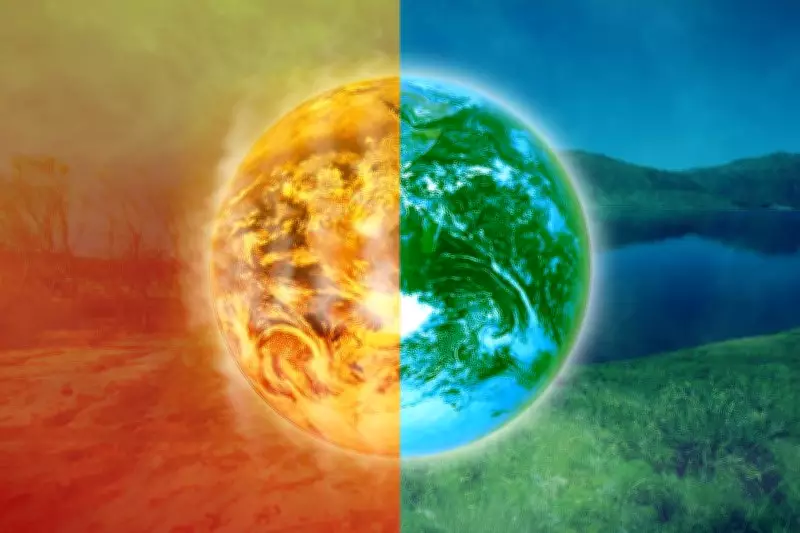
Global Warming Accelerated Significantly Since 2015, Study Finds
A recent scientific study has revealed that global warming has accelerated at a significant pace since the year 2015, marking a concerning shift in the Earth's climate patterns. The research indicates that the rate of temperature increase has been notably faster in the past decade compared to previous periods, underscoring the escalating impact of human activities on the planet's environment.
Key Findings from the Study
The study, conducted by a team of international climate scientists, analyzed temperature data from various sources, including satellite records and ground-based measurements. It found that since 2015, global average temperatures have risen at an accelerated rate, with the past few years ranking among the hottest on record. This acceleration is attributed to a combination of factors, such as increased greenhouse gas emissions, deforestation, and industrial activities.
Notably, the research highlights that the warming trend has not been uniform across the globe. Some regions, particularly in the Arctic and parts of Asia, have experienced more pronounced temperature increases, leading to severe consequences like melting ice caps and extreme weather events. The study emphasizes that this acceleration poses significant risks to ecosystems, human health, and economic stability worldwide.

Implications for Climate Policy
The findings of this study have profound implications for global climate policy and action. With warming accelerating since 2015, there is an urgent need for countries to enhance their commitments under international agreements like the Paris Accord. Scientists warn that without immediate and substantial reductions in carbon emissions, the world could face irreversible damage, including more frequent heatwaves, droughts, and sea-level rise.
The study calls for a renewed focus on sustainable practices and renewable energy sources to mitigate further warming. It also stresses the importance of adaptation strategies to cope with the already unavoidable impacts of climate change. Policymakers and stakeholders are urged to prioritize climate resilience in their planning and investments.
Future Projections and Recommendations
Looking ahead, the study projects that if current trends continue, global warming could exceed critical thresholds, leading to catastrophic outcomes. To address this, the researchers recommend:
- Strengthening international cooperation on climate initiatives.
- Investing in green technologies and infrastructure.
- Promoting public awareness and education on climate issues.
- Implementing stricter regulations on emissions and pollution.
In conclusion, this study serves as a stark reminder of the accelerating pace of global warming since 2015. It underscores the necessity for swift and decisive action to combat climate change and protect the planet for future generations. As the evidence mounts, the call for a global response grows ever more urgent.