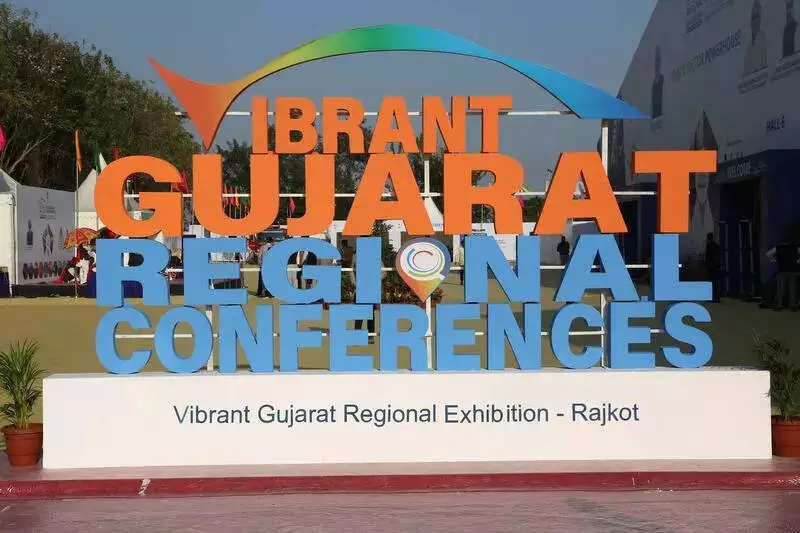
The stage is set in Rajkot for a pivotal dialogue on India's green energy future. The Vibrant Gujarat Regional Conference (VGRC) for the Saurashtra–Kutch region commenced on Sunday, placing a sharp focus on renewable energy, sustainability, and long-term energy security. This gathering underscores Gujarat's leadership in the sector and its aggressive pursuit of installing more than 100 gigawatts (GW) of renewable energy capacity by the year 2030.
Aligning with National Goals: The Panchamrit Vision
The conference's agenda is a direct reflection of the Prime Minister's Panchamrit commitments announced on the global stage. These ambitious national targets include achieving 500GW of non-fossil energy capacity, meeting 50% of energy requirements from renewables, reducing carbon emissions by one billion tonnes, cutting carbon intensity by 45%, and ultimately reaching net-zero emissions by 2070. Gujarat, already a frontrunner in renewable energy development, is actively translating this vision into reality through strategic policy initiatives and large-scale clean energy projects.
Organized by the state's energy and petrochemicals department (EPD), the two-day event features a dynamic mix of seminars, roundtable discussions, panel debates, and exhibitions designed to foster innovation and collaboration.

Day One: Exploring Oceans of Opportunity and Green Molecules
The first day of the VGRC saw a packed schedule aimed at unlocking new frontiers in clean energy. A CEO Roundtable delved into the theme "Ocean of Opportunities – Blue Energy, Green Future," exploring the potential of marine-based energy sources. Entrepreneurs took center stage in a Green Startups Fireside Chat, highlighting innovative solutions driving the sector.
Other key sessions included discussions on "Carbon to Crops, Greener Molecules, Greater Yields" and "Gujarat – India's Energy Gateway: Leading the Curve in Oil and Gas." A concurrent exhibition showcased best practices in areas like daytime agricultural power supply, renewable energy grid integration, and the performance of the popular PM Surya Ghar Muft Bijli Yojana.
Day Two: Empowering Through Solar and Mission 100GW
The conference's second day began with a flagship session titled "Solar Dividends: Empowerment through PM-KUSUM and PM Surya Ghar Muft Bijli Yojana," which put a spotlight on Gujarat's strides in decentralized solar power generation, empowering farmers and households alike.
The day's events included the release of a compendium of best practices by GUVNL and its subsidiary companies, the signing of Memoranda of Understanding (MoUs), and the felicitation of beneficiaries, vendors, and employees contributing to the energy sector.
A core focus was the detailed discussion on "Mission 100GW (Shapath Patra)," which outlines the concrete roadmap for Gujarat to surpass its 100GW renewable capacity target. Experts also engaged in crucial conversations on emerging areas like green hydrogen, nuclear energy, AI-driven renewable integration, advanced energy storage systems, and building climate-resilient transmission networks.
Catalyzing Collaboration for a Viksit Bharat
Beyond the knowledge exchange, the conference is designed to be a catalyst for tangible partnerships. It is facilitating B2B (business-to-business), B2G (business-to-government), and G2G (government-to-government) meetings. These interactions are pivotal in reinforcing Gujarat's role as the nation's leader in clean energy and energy security, ultimately powering India's transition towards a developed nation (Viksit Bharat) by 2047.
By bringing together policymakers, industry leaders, innovators, and beneficiaries, the VGRC in Rajkot is not just a conference but a significant milestone in India's journey towards a sustainable and self-reliant energy future.