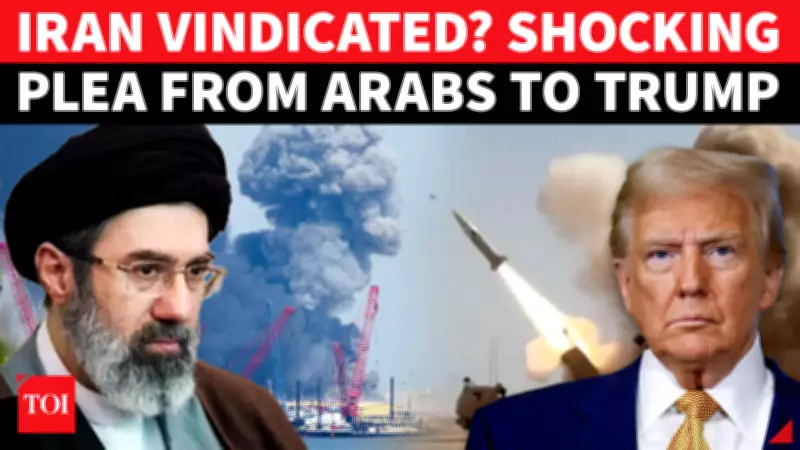
Gulf Nations Issue Urgent Plea to Trump Over Escalating Iran Threat
In a significant geopolitical development, Arab states from the Gulf region have reportedly made a confidential appeal to former U.S. President Donald Trump, urging a robust response to Iran's growing military capabilities. This plea comes amid escalating fears that Iran's actions could severely disrupt vital global oil shipping routes, particularly through the strategically crucial Strait of Hormuz.
Heightened Tensions and Regional Security Concerns
The situation in the Middle East has deteriorated rapidly, with strikes and retaliatory actions intensifying across the region. Regional leaders have expressed grave concerns that inadequate measures could leave the Middle East perpetually vulnerable to instability. The Strait of Hormuz, a narrow waterway through which approximately one-fifth of the world's oil passes daily, has emerged as a primary flashpoint in this conflict.
Global energy markets are facing unprecedented risks as the standoff threatens to disrupt supply chains and trigger price volatility. Analysts warn that any significant interruption in oil flow through this chokepoint could have far-reaching economic consequences worldwide.

Strategic Implications and Power Dynamics
As pressure mounts on Trump to secure firm backing from regional allies, the stakes in this confrontation have reached critical levels. This conflict has the potential to fundamentally reshape power dynamics throughout the Middle East, affecting not only military alliances but also economic stability and long-term security arrangements.
The leaked appeal highlights the Gulf states' perception of Iran as an existential threat to their interests and regional order. This development underscores the complex diplomatic maneuvering occurring behind the scenes as various actors position themselves in what could become a defining confrontation for the region.
Broader Context and Future Scenarios
The current crisis represents more than just a bilateral dispute between Iran and its neighbors. It reflects broader tensions involving global powers, energy security, and competing visions for Middle Eastern stability. The outcome of this standoff could influence:
- International oil prices and energy market stability
- Security arrangements for critical maritime passages
- Alliance structures in the Persian Gulf region
- Global responses to regional conflicts
With retaliation expanding and fears growing about Iran's ability to threaten vital shipping lanes, the international community watches closely as this high-stakes drama unfolds. The Gulf states' appeal to Trump signals their assessment that conventional diplomatic channels may be insufficient to address what they perceive as an imminent threat to regional security and economic interests.