

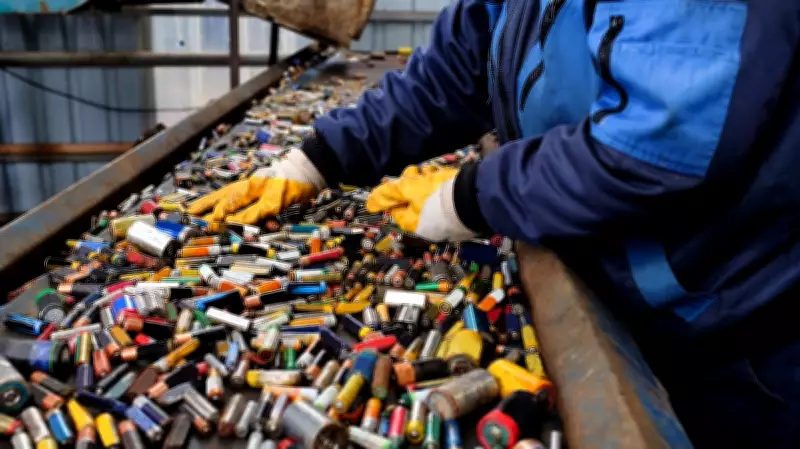
Alarming Lead Contamination Discovered in Soil Near Battery Recycling Facilities Across India
A recent environmental study has uncovered dangerously high levels of lead in soil samples collected from areas surrounding battery recycling units in various parts of India. The findings highlight a significant public health and ecological risk that demands immediate attention from authorities and industry stakeholders.
Key Findings from the 'Soiled with Lead: from Battery Recycling' Analysis
The comprehensive analysis, titled 'Soiled with Lead: from Battery Recycling,' was conducted by Toxics Link, a prominent environmental research and advocacy organization based in India. The study meticulously examined soil samples from multiple locations where battery recycling operations are prevalent, revealing lead concentrations that far exceed safe limits established by environmental standards.
Lead, a toxic heavy metal, poses severe risks to human health, particularly affecting neurological development in children and causing various ailments in adults. The contamination is attributed to improper handling and disposal practices in the battery recycling industry, which often lacks adequate regulatory oversight in certain regions.

Implications for Public Health and the Environment
The presence of elevated lead levels in soil has far-reaching consequences:
- Health Hazards: Prolonged exposure to lead-contaminated soil can lead to poisoning, resulting in cognitive impairments, anemia, and kidney damage.
- Environmental Degradation: Contaminated soil can leach into groundwater, affecting water sources and agricultural lands, thereby entering the food chain.
- Economic Impact: Cleanup and remediation efforts for lead pollution are costly and can burden local communities and governments.
The study underscores the urgent need for stricter enforcement of environmental regulations and the adoption of safer recycling technologies. It calls for collaborative efforts between government agencies, industry players, and environmental groups to mitigate this growing threat.
Recommendations and Future Steps
To address this critical issue, the report proposes several measures:
- Implementing robust monitoring systems to regularly test soil and water quality near recycling units.
- Promoting awareness campaigns to educate communities about the dangers of lead exposure.
- Encouraging the use of eco-friendly battery alternatives and improved recycling methods.
As India continues to industrialize, balancing economic growth with environmental sustainability is paramount. This study serves as a stark reminder of the hidden costs associated with unchecked industrial practices and the importance of proactive environmental stewardship.






