Overtourism and Its Toll on Himalayan Communities
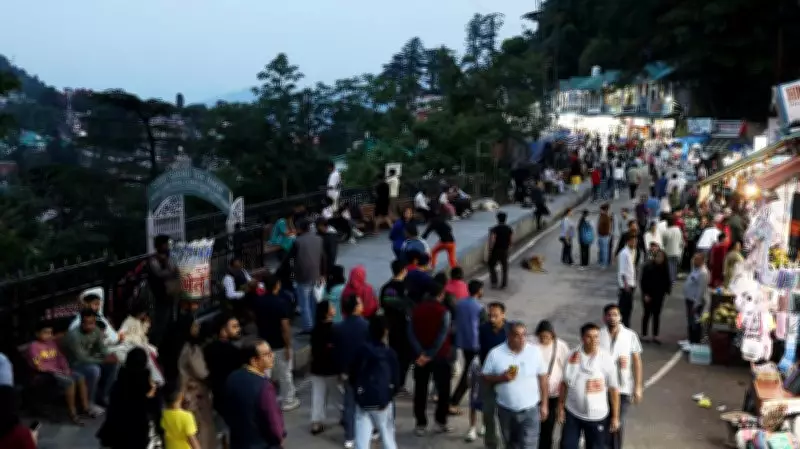
The Himalayas, known for their snow-clad peaks, mighty rivers, and rich biodiversity, are increasingly under threat from unregulated development and overtourism. While improved connectivity has boosted tourism, creating jobs and income for local communities, it has also placed immense pressure on fragile ecosystems and civic infrastructure. During peak seasons, roads are clogged, public services strained, and residents struggle to access basic amenities. The surge in vehicles has worsened air quality and carbon emissions, accelerating climate change in a region already warming faster than the national average.
Climate Change Accelerates Glacial Melting and Disasters
Rising temperatures are causing rapid glacial melt, increasing the risk of glacial lake formation. When these lakes breach, they trigger devastating flash floods. Uttarakhand and Himachal Pradesh have experienced several such disasters in the past three years, destroying lives, livelihoods, and infrastructure. As monsoon approaches, mountain communities face mounting anxiety. According to experts, the Himalayas are warming at a rate higher than the national average, making them more vulnerable to climate-induced catastrophes.
Waste Management Crisis in Himachal Pradesh
Waste management has become a major environmental concern. In Himachal Pradesh, municipal bodies generate around 342.35 tonnes of dry waste daily, much of which is not disposed of scientifically. Nearly 60% of this waste ends up in landfills, producing methane—a greenhouse gas far more potent than carbon dioxide. Open burning releases toxic pollutants, contaminates rivers and streams, and degrades soil fertility. The lack of proper waste treatment exacerbates the region's ecological fragility.

Unscientific Infrastructure Development Destabilizes Slopes
Infrastructure projects in the Himalayas often overlook ecological fragility. Road-widening involving extensive hill cutting, unscientific construction, deforestation, and diversion of forest land are destabilizing slopes and weakening natural ecosystems. Excessive hydropower projects alter natural drainage systems. Experts warn that such interventions contribute to the growing frequency of cloudbursts, landslides, and flash floods. These activities, ironically meant to improve lives, now threaten the very communities they aim to support.
Human-Wildlife Conflict and Livelihood Loss
Shrinking habitats force animals closer to settlements, increasing human-wildlife conflict. Crop losses have compelled many villagers to abandon agriculture, leading to migration and the decline of traditional mountain livelihoods. The region stands at a critical juncture, balancing economic development with environmental protection. Solutions require mountain-specific models, scientific planning, climate-resilient infrastructure, and greater financial commitment toward long-term ecological safeguards rather than operational costs.
Need for Sustainable Tourism and Climate-Smart Development
Tourist inflows must be regulated through carrying-capacity assessments and responsible tourism practices. Infrastructure projects should be guided by scientific studies and local ecological conditions. Climate-smart development, advanced disaster-monitoring systems, sustainable agriculture, and community-led conservation must become central to future planning. The devastating floods that ravaged Himachal Pradesh three years ago left thousands displaced, with rehabilitation still incomplete. Policymakers must recognize the limits of the Himalayan ecosystem and adopt a mountain-sensitive approach to prevent recurring man-made disasters.