

IAEA Reports No Damage to Israel's Negev Nuclear Research Centre Following Missile Incident
The International Atomic Energy Agency (IAEA) has officially confirmed that Israel's Negev Nuclear Research Centre remains undamaged following reports of a missile impact in the city of Dimona. In a statement released on Sunday, the Vienna-based nuclear watchdog agency clarified that it had received no indication of structural damage to the sensitive facility located in Israel's southern desert region.
Monitoring the Situation Closely
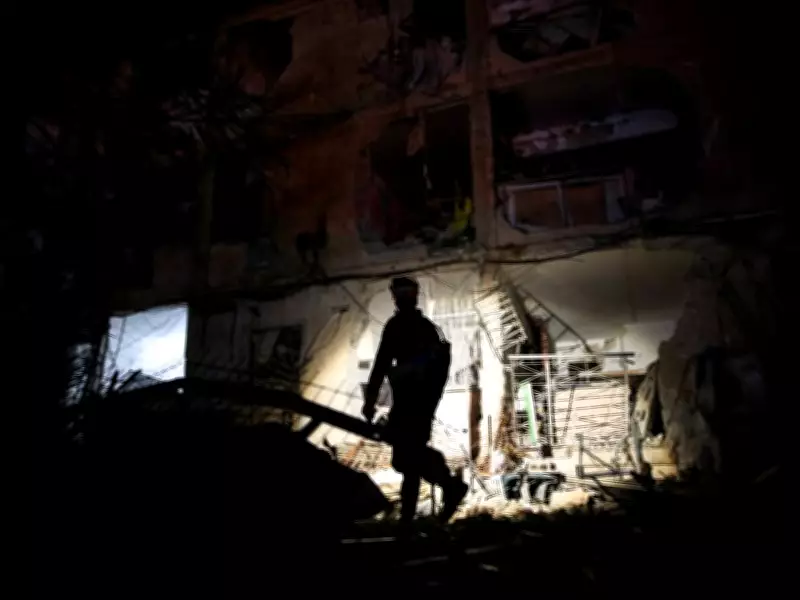
The IAEA disclosed that it is actively monitoring developments following the incident in Dimona, where Israel maintains its primary nuclear research complex. Through a post on social media platform X, the agency stated: "The IAEA is aware of reports of an incident in the city of Dimona, Israel, involving a missile impact and has not received any indication of damage to the nuclear research centre Negev."
Significantly, the agency added that information from regional states indicates no abnormal radiation levels have been detected in the aftermath of the reported missile strike. This confirmation provides crucial reassurance regarding the safety and security of nuclear materials at the facility.

Call for Maximum Military Restraint
IAEA Director General Rafael Mariano Grossi emphasized the importance of exercising caution around nuclear installations. "Closely monitoring the situation, Director General Rafael Grossi stressed that 'maximum military restraint should be observed, in particular in the vicinity of nuclear facilities,'" the agency reported.
This statement underscores the international community's concern about potential escalation near sensitive nuclear sites during regional conflicts. The Negev Nuclear Research Centre has long been a subject of international attention and speculation regarding Israel's nuclear capabilities.
Political and Military Context
The incident occurs against a backdrop of heightened tensions between Israel and Iran. According to reports, Iran claimed the targeting of Dimona was a "response" to an earlier strike on the Natanz nuclear enrichment site in Iran. The Israel Defense Forces have denied responsibility for any attack on Natanz, as reported by The Times of Israel.
Israeli Prime Minister Benjamin Netanyahu engaged directly with local leadership following the incident, speaking with Dimona Mayor Benny Biton and Rishon LeZion Mayor Raz Kinstlich. Netanyahu's office stated that the Prime Minister praised residents' resilience and wished speedy recovery to those wounded in what was described as "firing from Iran."
Civilian Impact and International Response
The human toll of the broader conflict became increasingly evident as IDF International Spokesperson Lieutenant Colonel Nadav Shoshani reported that over 70 people have been injured in two different civilian neighborhoods in Israel within just a few hours.
In a social media post, Shoshani characterized these attacks as highlighting "the nature of the Iranian terror targeting civilian communities." He further stated: "It is becoming increasingly clear that the Iranian regime is resorting to reckless attacks that only further expose its instability and disregard for human life while strategically targeting civilians."
The IAEA's confirmation of no damage to the Negev facility represents a significant development in an otherwise tense regional situation. As the international nuclear watchdog continues to monitor the situation, its findings provide crucial data points for global security assessments regarding nuclear safety in conflict zones.






