

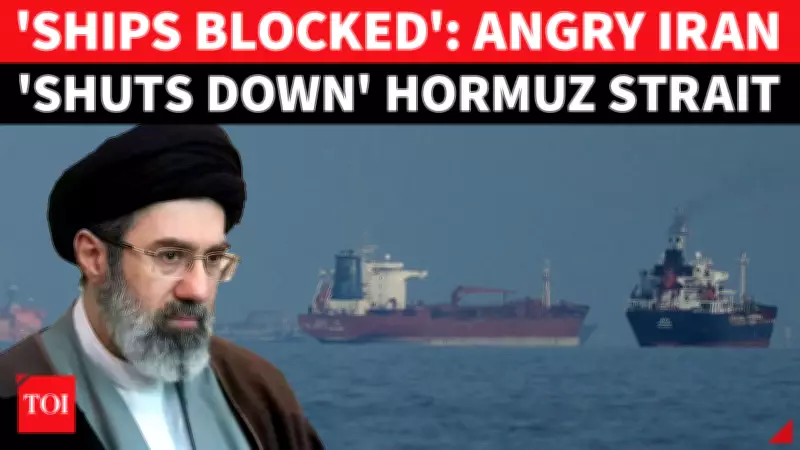
Iran Blocks Strait of Hormuz, Sends Oil Tankers Back Amid Israel-Lebanon Conflict
In a dramatic escalation of regional tensions, Iran has reportedly shut down the strategic Strait of Hormuz, forcing oil tankers to abandon transit and turn around. According to Iranian state media, Tehran has completely closed the narrow waterway, a critical chokepoint for global oil shipments. Tracking data from vessels near the Musandam coast shows multiple U-turns as reports of the closure spread, sending shockwaves through international markets.
Impact on Global Oil Markets
The Strait of Hormuz handles approximately 20% of the world's oil exports, making this shutdown a significant threat to global energy supplies. The sudden closure has disrupted maritime traffic, with tankers being sent back or rerouted, potentially leading to spikes in oil prices and supply chain bottlenecks. Analysts warn that prolonged blockage could trigger economic instability, given the waterway's role in transporting crude from major producers like Saudi Arabia, Iraq, and the United Arab Emirates.
Link to Israel-Lebanon Conflict
The reported shutdown comes amidst intensifying conflict in the Middle East, specifically linked to recent Israeli airstrikes in Lebanon. Tehran has issued warnings that any ceasefire agreements must address broader regional disputes, suggesting that the Hormuz closure is a retaliatory measure. Iranian officials have framed the action as a lesson to Israel, emphasizing their readiness to use strategic assets in response to perceived aggressions.

Regional Tensions Spiral
This move follows a series of escalating incidents, including attacks and diplomatic clashes, that have heightened fears of a wider war. The closure of the Strait of Hormuz is seen as a bold assertion of Iran's military and economic leverage, aimed at pressuring Israel and its allies. Observers note that such actions could draw in other global powers, complicating efforts to de-escalate the situation.
International Reactions and Concerns
Global leaders and market analysts are closely monitoring the situation, with concerns over potential military confrontations and energy crises. The United Nations and other international bodies may be called upon to mediate, as the closure violates norms of free navigation and threatens global trade. In related developments, reports of other regional conflicts, such as incidents involving NATO forces and ballistic missile tests, add to the volatile backdrop.
As tensions mount, the world watches to see how this blockade will unfold and its implications for peace and stability in the Middle East.






