Iran Explores Imposing Transit Fees on Strait of Hormuz Vessels
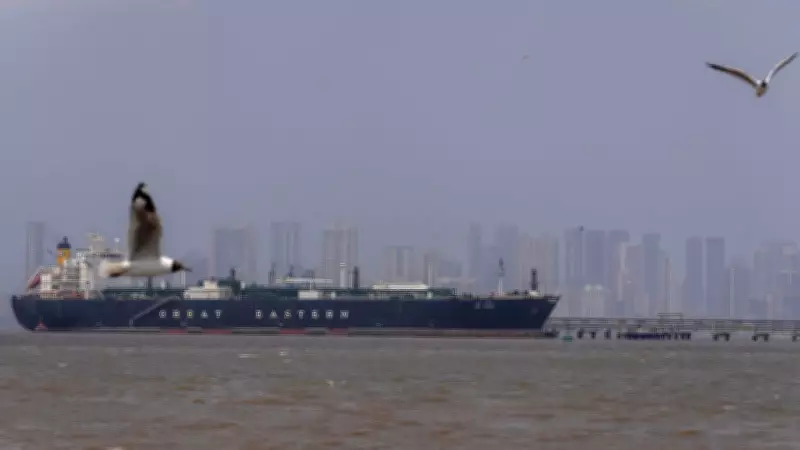
Iran is actively considering the implementation of fees for vessels crossing the strategically vital Strait of Hormuz, a move that officials in Tehran project could generate substantial annual revenue. According to recent reports, this initiative could theoretically yield between $70 billion and $80 billion each year if a comprehensive fee system is fully enforced across the waterway.
Economic Projections and Legal Framework
Yahya Al-e Es’hagh, head of the Iran-Iraq Joint Chamber of Commerce, has highlighted that Tehran could "at least" impose a 10 percent charge under existing maritime laws for services provided in the strait. He frames this not as a formal policy decision but as a legal and economic opportunity. Estimates from Iranian economists suggest that transit tariffs alone might bring in up to $60 billion annually, with some officials proposing even higher figures.
The concept is gaining traction as commercial traffic increasingly shifts into Iranian territorial waters, with certain routes informally referred to as the "Tehran Toll Booth." In March, Lloyd’s List Intelligence reported that at least two vessels had already made payments to Iran for safe passage, indicating an early testing phase for this approach.

Global Context and Regional Conflicts
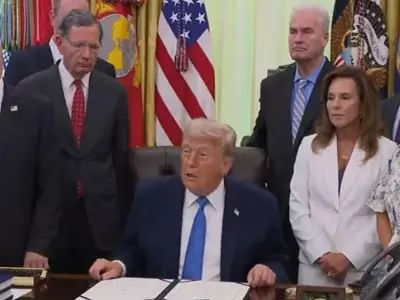
This proposal emerges against the backdrop of a prolonged and costly Middle East war that has severely disrupted shipping lanes and unsettled global markets. Initially, oil prices surged in the early weeks of the conflict, but they have shown signs of easing following statements from U.S. President Donald Trump. He suggested the war could conclude within weeks and indicated that Washington might reduce its role in securing the strait, telling allies, "Go get your own oil," and emphasizing it would not be America’s responsibility to keep the passage open post-military operations.
International Responses and Economic Impact
In response to the disruptions, Britain is preparing to host a meeting of approximately 35 countries aimed at restoring navigation through the Strait of Hormuz. Prime Minister Keir Starmer stated that the talks will focus on ensuring ship safety and resuming the flow of essential commodities, underscoring the waterway's critical role in global energy supplies.
The economic repercussions are already spreading worldwide. Germany has downgraded its growth outlook, warning of rising inflation driven by escalating energy costs. Similarly, the Bank of England has described the war as a "substantial negative supply shock" to the global economy. Fuel prices have climbed internationally, with India increasing jet fuel rates and countries like Australia urging citizens to conserve energy.
Future Implications
As Iran explores this fee-based model, the potential financial gains could significantly impact its economy, while also raising geopolitical tensions. The strait, which carries a substantial share of global commerce, remains a focal point for international trade and security discussions. The outcome of Iran's considerations and the international community's efforts to stabilize the region will likely shape global economic and diplomatic landscapes in the coming months.