Iran Stages Military Exercises as U.S. Naval Presence Grows in Middle East
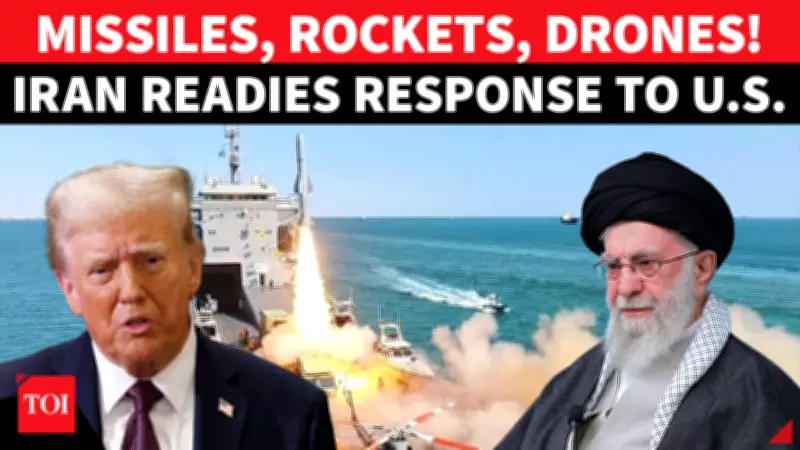
In a clear display of military strength, Iran has conducted extensive military drills featuring missiles, drones, and coastal artillery. This show of force comes as the United States deploys a significant naval fleet to the region, marking one of the largest such movements in recent decades.
Revolutionary Guard Showcases Advanced Weaponry
Iranian state television broadcast footage of the exercises, highlighting the capabilities of the Islamic Revolutionary Guard Corps. The drills included precision missile launches, drone operations, and coordinated coastal defense maneuvers. Analysts suggest these demonstrations serve as a direct message to Washington regarding Iran's defensive readiness.
The timing is particularly significant, occurring just days before scheduled diplomatic talks between Iranian and American officials in Geneva. The military posturing from both sides has heightened concerns about potential escalation in an already volatile region.

U.S. Naval Buildup Reaches Unprecedented Scale
Meanwhile, the United States has assembled at least sixteen naval vessels in the Middle East, including two aircraft carriers: the USS Abraham Lincoln and the USS Gerald R. Ford. This deployment represents the most substantial U.S. naval presence in the area for over twenty years, according to military observers.
The strategic positioning of these assets underscores Washington's commitment to maintaining maritime security and demonstrating military superiority. The presence of advanced carrier strike groups provides the U.S. with significant power projection capabilities throughout the region.
Global Concerns Mount Ahead of Diplomatic Engagement
The simultaneous military activities have raised alarm among international observers who fear that heightened tensions could undermine the upcoming Geneva negotiations. Diplomatic sources indicate that both nations are approaching the talks from positions of strength, potentially complicating efforts to find common ground.
Regional stability hangs in the balance as these parallel military demonstrations unfold. Neighboring countries have expressed concern about the potential for miscalculation or accidental confrontation that could spiral into broader conflict.
Historical Context and Future Implications
This latest escalation continues a pattern of tense relations between Iran and the United States that has persisted for decades. The current military posturing represents both a continuation of longstanding geopolitical competition and a response to specific contemporary diplomatic challenges.
Security experts warn that the outcome of the Geneva talks could significantly influence regional dynamics for years to come. A successful diplomatic resolution might reduce tensions, while failure could lead to further military buildup and increased risk of confrontation.
The international community continues to monitor developments closely, with many urging restraint from both parties as they prepare for crucial negotiations that could determine the course of Middle Eastern security architecture.