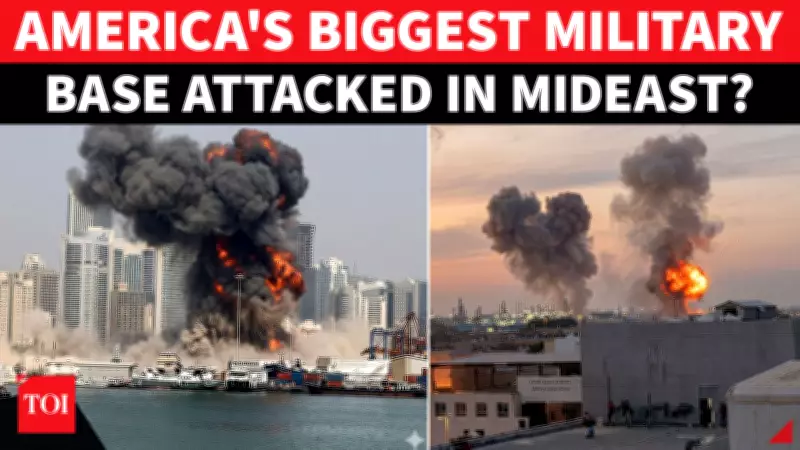
Iran Launches Major Strikes on Doha and Dubai, Gulf Region on High Alert
In a dramatic escalation of tensions in the Middle East, explosions rocked Dubai and missile interceptions were reported in Qatar, as Iran's Islamic Revolutionary Guard Corps (IRGC) claimed responsibility for a massive wave of strikes targeting US military bases and strategic infrastructure across the region. The twin Gulf cities of Doha and Dubai were hit, with air defence systems scrambling to down incoming projectiles, signalling a rapidly intensifying crisis with global implications.
Details of the Attacks and Regional Fallout
The attacks, which occurred on March 17, 2026, involved a coordinated assault on key sites, including the critical Al Udeid Air Base in Qatar and Al Dhafra in the United Arab Emirates. These locations, housing US and allied forces, were reportedly struck by missiles and drones, raising immediate fears of a wider war. The IRGC's bold move marks a significant escalation in the ongoing Middle East conflict, with multiple countries now on high alert and defence systems fully activated to counter the threats.
Widespread Activation of Air Defences: In response to the strikes, air defence networks across the Gulf region were mobilized, attempting to intercept the projectiles. The explosions in Dubai and the missile interceptions in Qatar highlight the severity of the situation, as civilian and military areas faced potential damage. The incidents have plunged the Gulf into a state of emergency, with authorities urging caution and preparedness.

Iran's Claims and Strategic Targets
Iran's IRGC has openly taken credit for the attacks, stating they were aimed at US military installations and strategic infrastructure. This aggressive posture underscores Tehran's willingness to confront US interests directly, amid heightened geopolitical rivalries. The strikes are seen as a retaliation or pre-emptive move in the volatile Middle East landscape, where proxy conflicts and direct confrontations have been simmering.
Key Implications: The targeting of Al Udeid Air Base, a pivotal hub for US operations in the region, and Al Dhafra, another strategic site, suggests a calculated effort to undermine American military capabilities. This has sparked concerns about a potential chain reaction, with other nations possibly drawn into the fray, exacerbating the crisis.
Regional and Global Reactions
The attacks have triggered alarm bells worldwide, as the Gulf region is a critical node for global energy supplies and trade. With drone threats also reported in Saudi Arabia, the situation is fluid and unpredictable. Countries in the area are bolstering their defences, while international observers warn of the risk of a full-scale conflict that could destabilize the entire Middle East.
- Increased Military Readiness: Nations across the Gulf have heightened their military readiness, deploying additional resources to protect key assets and populations.
- Diplomatic Efforts: There are calls for urgent diplomatic interventions to de-escalate tensions, but the IRGC's claims complicate negotiations.
- Economic Impact: The instability threatens to disrupt oil markets and trade routes, with potential repercussions for the global economy.
Broader Context of Middle East Tensions
This incident occurs against a backdrop of longstanding rivalries and conflicts in the Middle East, involving Iran, the US, Israel, and various regional actors. The use of missiles and drones in such a coordinated manner indicates a shift towards more direct military engagements, moving beyond proxy warfare. As defence systems scramble and cities brace for further attacks, the world watches closely, aware that the Gulf crisis could have far-reaching consequences for international security and peace.