

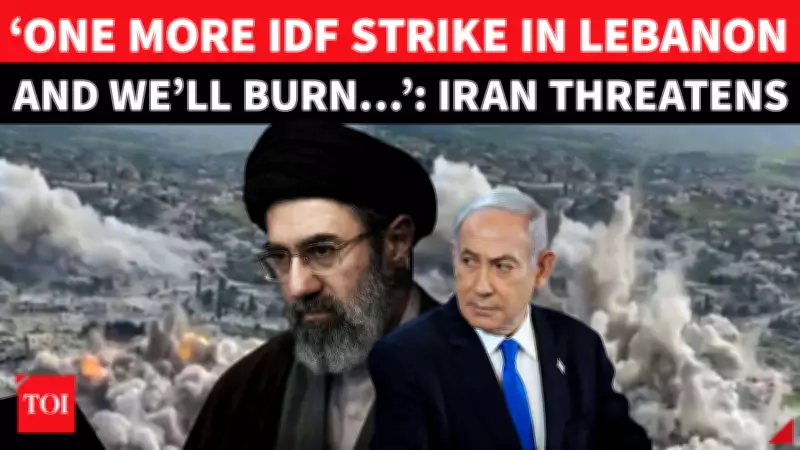
Iran Warns Fragile US Ceasefire Could Collapse Amid Escalating Israeli Strikes In Lebanon
Iran has issued a stark warning that its delicate ceasefire arrangement with the United States is in serious jeopardy, as tensions from the ongoing conflict in Lebanon increasingly threaten to spill over into the broader regional confrontation. According to reports from Iranian state media, Tehran has explicitly cautioned that continued Israeli military strikes across Lebanese territory could trigger a complete withdrawal from the ceasefire agreement negotiated with Washington.
Intensifying Exchanges Between Israel And Hezbollah Despite Diplomatic Efforts
The warning comes amid a significant escalation in hostilities between Israel and the Lebanese militant group Hezbollah, with both sides engaging in intensified exchanges of fire despite concerted diplomatic efforts to contain the volatile situation. Iranian officials have adopted a notably sharper and more confrontational tone in their recent statements, directly linking US responsibility to Israeli military actions in Lebanon.
This strategic framing substantially raises the geopolitical stakes, strongly suggesting that escalation in one conflict theater could have immediate and direct consequences for diplomatic agreements reached in another. The Iranian government has further indicated that it is actively identifying potential military targets in response to the ongoing strikes, pointing to comprehensive contingency planning even as the ceasefire technically remains in place.

Regional Implications And Broader Conflict Dynamics
The situation represents a critical development in Middle Eastern geopolitics, where localized conflicts increasingly demonstrate the capacity to unravel carefully negotiated regional arrangements. The explicit connection drawn by Iran between Israeli actions in Lebanon and the sustainability of its ceasefire with the United States introduces a new layer of complexity to an already volatile regional security landscape.
Analysts note that this development reflects the interconnected nature of conflicts across the Middle East, where actions in one arena frequently reverberate across multiple diplomatic and military fronts. The Iranian warning serves as both a diplomatic signal and a potential prelude to renewed hostilities, depending on how Israel and its allies respond to the escalating situation along the Lebanese border.
As diplomatic channels remain open but strained, the coming days will likely determine whether the ceasefire can withstand the pressure of escalating regional conflicts or whether the Middle East faces another round of expanded hostilities with potentially far-reaching consequences for regional stability and international security arrangements.






