

Iran's Comprehensive 10-Point Proposal Unveiled by Senior Officials
In a significant diplomatic development, two senior Iranian officials have detailed a comprehensive 10-point plan that addresses critical regional and international issues. The proposal, which spans from the strategic reopening of the Strait of Hormuz to contentious uranium enrichment rights, outlines Iran's demands for security guarantees and economic relief.
Key Demands in the Iranian Proposal
The plan, as explained by the officials, calls for binding guarantees against future military attacks on Iranian territory. This includes specific provisions to halt Israeli strikes targeting Hezbollah positions in Lebanon, reflecting Iran's broader regional security concerns. Additionally, the proposal emphasizes the complete removal of all international sanctions imposed on Iran, which have significantly impacted its economy over recent years.
Strategic Elements: Hormuz and Nuclear Program
A central component of the 10-point plan involves the reopening and secure management of the Strait of Hormuz, a vital global oil transit chokepoint. Iran seeks to assert control and ensure stability in this maritime corridor, which is crucial for international energy supplies. Parallel to this, the proposal addresses Iran's nuclear ambitions, demanding recognition of its right to uranium enrichment for peaceful purposes, a point that has long been a sticking point in negotiations with Western powers.

Regional and International Implications
The timing of this proposal is notable, coming amid heightened tensions in the Middle East. By linking issues like the Strait of Hormuz with nuclear rights and sanctions relief, Iran aims to create a comprehensive framework for negotiations. The demand to stop Israeli actions against Hezbollah underscores Iran's commitment to its allies and its role as a regional power broker. This plan could potentially reshape diplomatic engagements involving key players such as the United States, Israel, and other stakeholders in the region.
Background and Context
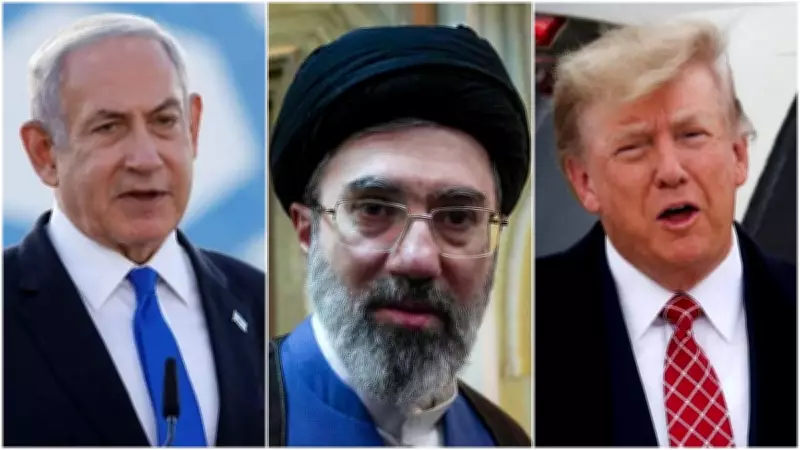
This 10-point plan emerges against a backdrop of ongoing geopolitical shifts. References to figures like Benjamin Netanyahu of Israel and Donald Trump of the United States highlight the complex history of Iran's international relations. The involvement of Mojtaba Khamenei, a prominent Iranian political figure, suggests high-level endorsement within Iran's leadership. The proposal represents a strategic effort to address multiple fronts—security, economic, and diplomatic—in a single negotiated package.
As details continue to unfold, the international community will closely monitor responses from global powers. The success of this plan could hinge on balancing Iran's demands with the interests of other nations, particularly regarding nuclear non-proliferation and regional stability. This development marks a pivotal moment in Iran's foreign policy approach, aiming to secure concessions while advancing its national objectives.






