Why Ayatollah Khamenei Was a Spiritual Anchor for Shia Muslims Amid Protests in India
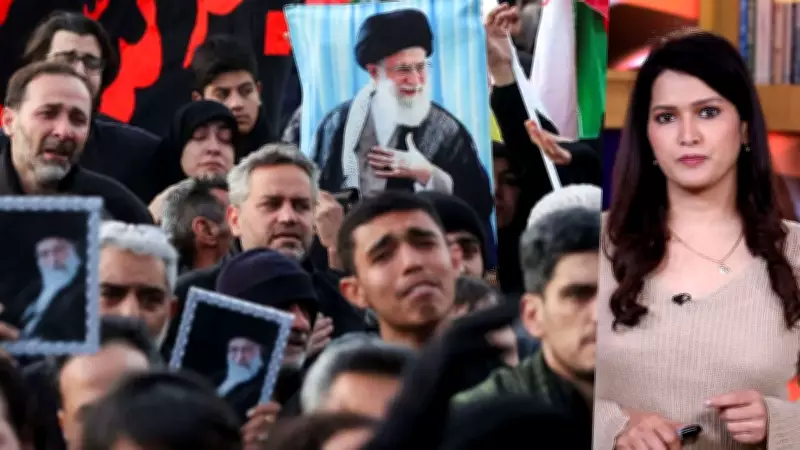
In the wake of the death of Iran's Supreme Leader Ayatollah Ali Khamenei, streets in Srinagar, India, have echoed with slogans and demonstrations as Shia Muslims express profound grief. This outpouring of emotion highlights Khamenei's role as more than just a political figure; for many followers, he represented a deep spiritual authority whose guidance permeated daily religious life.
The Religious Significance of Khamenei's Leadership
For Shia Muslims globally, Ayatollah Khamenei was a pivotal spiritual anchor. After succeeding Ruhollah Khomeini, he became central to Shia theology and politics, shaping interpretations of Islamic law and principles. His death has drawn comparisons to the martyrdom of Imam Hussain, a revered figure in Shia Islam, underscoring the emotional and religious weight of his passing.
Leaders within the community, such as Aga Ruhullah Mehdi, have emphasized that Khamenei symbolized resistance and steadfastness against oppression. This perception has fueled the protests in Kashmir, where his influence extended beyond Iran's borders into the religious practices and identities of Shia Muslims.

Historical Memory and Political Context in Kashmir
The protests in Srinagar are not merely spontaneous reactions but are rooted in a complex tapestry of historical memory and political context. Khamenei's tenure saw him engage with global issues affecting Muslims, including those in conflict zones like Kashmir. His statements and stances often resonated with Shia communities facing political challenges, reinforcing his image as a defender of the faith.
This connection has made his death a catalyst for public mourning, as followers reflect on his legacy of spiritual guidance and political advocacy. The demonstrations serve as a testament to how religious figures can transcend national boundaries, influencing diaspora communities and shaping local responses to international events.
Implications for Shia Muslim Communities
The grief expressed in Kashmir underscores the broader impact of Khamenei's leadership on Shia Muslims worldwide. His role as a marja' al-taqlid (source of emulation) meant that many looked to him for religious rulings and moral direction, integrating his teachings into their daily lives.
As protests continue, they highlight the enduring bond between spiritual authorities and their followers, even in regions far from Iran. This event may also influence future religious dynamics within Shia communities, as they navigate the loss of a key figure and the search for new guidance.
In summary, the death of Ayatollah Ali Khamenei has sparked significant emotional and political reactions in India, particularly among Shia Muslims in Srinagar. His legacy as a spiritual anchor and symbol of resistance continues to resonate, driving public expressions of grief and solidarity.