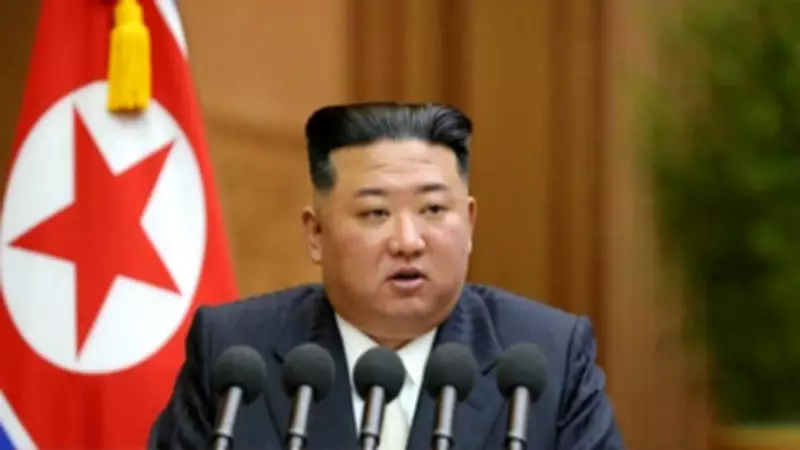
North Korea's Leader Unveils Dedicated Housing for Bereaved Military Families
In a significant public gesture, North Korean leader Kim Jong Un has officially opened a new residential district in the capital city of Pyongyang, specifically designed for the families of soldiers who have died in service. The inauguration ceremony, held recently, underscores the regime's focus on honoring military sacrifice and reinforcing nationalistic values.
A Symbol of Sacrifice and National Pride
During his speech at the event, Kim Jong Un articulated that this housing development serves as a powerful symbol of the "spirit and sacrifice" exhibited by the fallen troops. He emphasized that the primary objective behind constructing these homes is to enable the bereaved families to "take pride in their sons and husbands and live happily." This statement highlights the government's effort to provide tangible support while fostering a sense of collective honor and remembrance.
Strategic Urban Development in Pyongyang
The new district represents a notable addition to Pyongyang's urban landscape, reflecting ongoing infrastructure projects under Kim's leadership. Analysts suggest that such initiatives are strategically aimed at bolstering domestic morale and reinforcing loyalty to the state, particularly among military-affiliated communities. The provision of housing in the capital, a privileged location, is seen as a reward for families who have endured personal loss in service to the nation.

This development aligns with North Korea's broader emphasis on military-first policies and national unity. By addressing the welfare of bereaved families, the regime seeks to strengthen social cohesion and demonstrate its commitment to those who have contributed to the country's defense. The project also serves as a public relations tool, showcasing the government's purported benevolence and dedication to its citizens.
Context and Implications
The inauguration comes amid ongoing geopolitical tensions and North Korea's continued focus on military preparedness. Providing housing for fallen soldiers' families can be interpreted as a move to maintain support within the armed forces and the wider population. It underscores the intertwining of social welfare with nationalist ideology in the country's governance.
Observers note that such gestures are part of a pattern where the North Korean leadership uses symbolic acts to reinforce its authority and promote state narratives. The housing district not only offers practical benefits but also serves as a constant reminder of the sacrifices made for the nation, potentially inspiring continued allegiance and patriotism.
As North Korea navigates complex international relations, domestic projects like this highlight the regime's priorities in fostering internal stability and honoring its military heritage. The new Pyongyang district stands as a testament to the enduring emphasis on sacrifice and pride within the country's societal framework.