Kurdish Politician Accuses Turkey of Instigating Syrian Government Against SDF
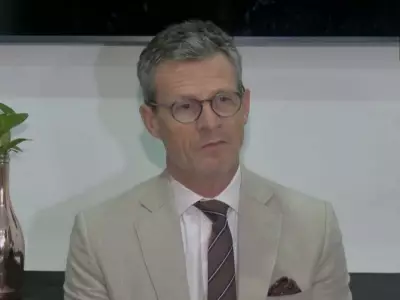
In a recent exclusive interview, Kurdish-Syrian politician Foza Yusif has made serious allegations regarding the renewed fighting in Syria, blaming external powers for the escalation. Yusif, a prominent member of the presidential council of the Democratic Union Party, the leading political entity among Syrian Kurds, spoke candidly about the deteriorating situation on the ground.
Breakdown of Integration Agreement Sparks Conflict
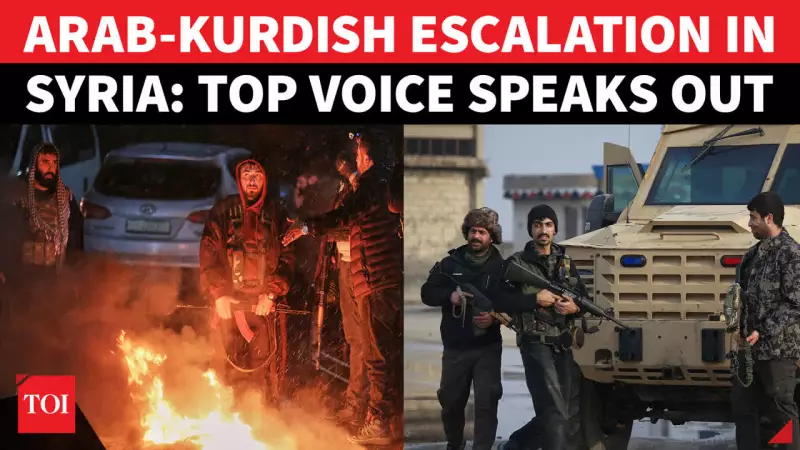
Fighting has erupted in recent days in Syria between forces of the Syrian interim government and Kurdish troops in the country’s north and eastern regions. This violence follows a significant agreement last year between the two sides, which aimed to integrate Kurdish forces into the new Syrian army and governance structures. However, the integration process faced continuous delays and ultimately broke down completely, leading to the current hostilities.
Yusif highlighted that the failure of this integration has created a power vacuum, exacerbating tensions and allowing external actors to manipulate the situation for their own geopolitical interests.

Turkey’s Role Under Scrutiny
During the interview, Yusif pointed a finger directly at Turkey, accusing it of instigating the Syrian government to take action against the Kurdish forces. “Turkey has been actively working to undermine Kurdish autonomy and influence in the region,” Yusif stated, suggesting that Ankara views a strong Kurdish presence as a threat to its national security.
This accusation aligns with Turkey’s long-standing policy of opposing Kurdish militias in Syria, whom it labels as terrorist organizations linked to the Kurdistan Workers’ Party (PKK). Yusif argued that Turkey’s meddling has derailed the peace process and fueled the latest round of fighting.
US Criticized for Inaction and Complicity
Yusif also slammed the United States for its role in the current scenario, criticizing what he perceives as a lack of decisive action to support Kurdish allies. “The US has failed to uphold its commitments to the Kurdish people, leaving us vulnerable to attacks from both Damascus and Ankara,” he remarked.
The Kurdish politician expressed frustration over the US’s ambiguous stance, which he believes has emboldened the Syrian government and Turkey to escalate their military operations. He called for clearer and more robust support from Washington to protect Kurdish interests and stabilize the region.
Options and Future Prospects for the Kurds
Looking ahead, Yusif outlined several options for the Kurdish forces in Syria, emphasizing the need for strategic resilience and international advocacy. These include:
- Strengthening Defensive Capabilities: Enhancing military preparedness to counter offensives from Syrian government forces and Turkish-backed groups.
- Diplomatic Engagement: Seeking renewed negotiations with Damascus and international mediators to revive the integration agreement or secure alternative autonomy arrangements.
- International Solidarity: Building alliances with global powers and human rights organizations to highlight the Kurdish cause and pressure adversaries.
Yusif warned that without immediate intervention and support, the conflict could spiral into a larger regional crisis, affecting stability across the Middle East.
Broader Implications for Middle East Stability
The renewed fighting in Syria underscores the fragile nature of peace in the region, with multiple actors vying for influence. The involvement of Turkey and the perceived inaction of the US complicate efforts to achieve a lasting resolution. As Yusif’s interview reveals, the Kurdish question remains a pivotal issue in Syrian politics, with implications for international relations and security dynamics.
In conclusion, the breakdown of the integration agreement has not only reignited violence but also exposed the deep-seated geopolitical rivalries that continue to plague Syria. The Kurdish leadership’s accusations against Turkey and criticism of the US highlight the urgent need for a coordinated international response to prevent further escalation and promote sustainable peace.