Metro Breakdown Triggers Commuter Chaos
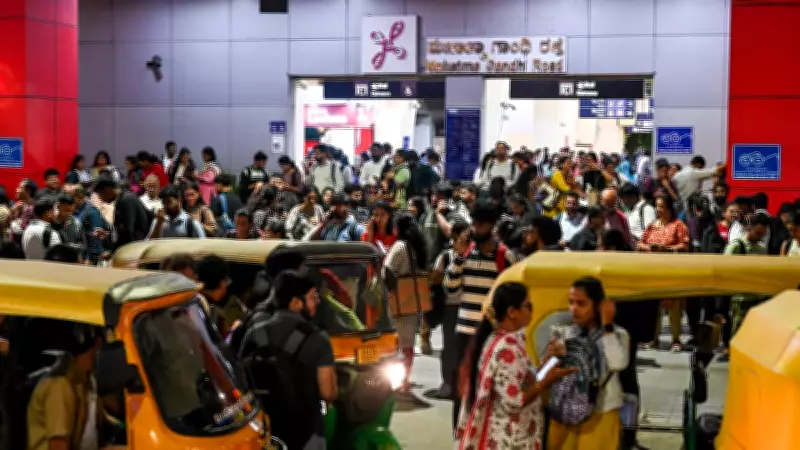
A major disruption in Namma Metro services on June 25, 2026, brought Bengaluru's commute to a standstill, exposing what many call a brazen auto rickshaw sector and significant gaps in city bus operations. The breakdown occurred during peak evening hours, leaving thousands stranded across multiple stations.
According to eyewitnesses and local reports, the disruption began around 5:30 PM on the Purple Line, with trains halting between M.G. Road and Baiyyappanahalli stations. The cause was cited as a technical fault in the signaling system, though official confirmation from Bangalore Metro Rail Corporation Limited (BMRCL) is awaited.
Auto Rickshaws Capitalize on Crisis
As commuters scrambled for alternative transport, auto rickshaw drivers were accused of charging exorbitant fares—often three to four times the usual rate. One passenger, Priya S., told local media, “I was asked to pay ₹500 for a 5-km ride. This is blatant exploitation.” The incident has reignited calls for stricter regulation of auto rickshaw tariffs, especially during emergencies.

Unverified videos on social media showed frustrated commuters hitching rides on lorries and trucks to reach their destinations. In one clip, a group of office-goers is seen clambering onto a flatbed truck near the Hebbal flyover, highlighting the desperation caused by the lack of reliable alternatives.
Bus Operations Fall Short
The Bangalore Metropolitan Transport Corporation (BMTC) deployed additional buses to affected routes, but commuters reported long waits and overcrowded vehicles. Many buses were stuck in traffic, unable to reach key metro stations in time. A BMTC official, speaking on condition of anonymity, admitted, “We were caught off guard. The coordination between metro and bus schedules needs improvement.”
Data from the Bengaluru Traffic Police indicates that the disruption affected over 200,000 commuters. The incident underscores the city's over-reliance on metro services and the lack of a robust multi-modal transport system.
Call for Long-Term Solutions
Urban transport experts argue that such events reveal systemic failures. “Bengaluru needs an integrated transport authority to manage crises,” said Dr. R. K. Misra, a transport analyst. “The auto sector must be regulated with dynamic pricing caps, and BMTC should have contingency plans for metro disruptions.”
As of now, BMRCL has not issued a detailed statement on the cause of the breakdown or steps to prevent recurrence. Commuters continue to demand accountability and better infrastructure to handle emergencies.