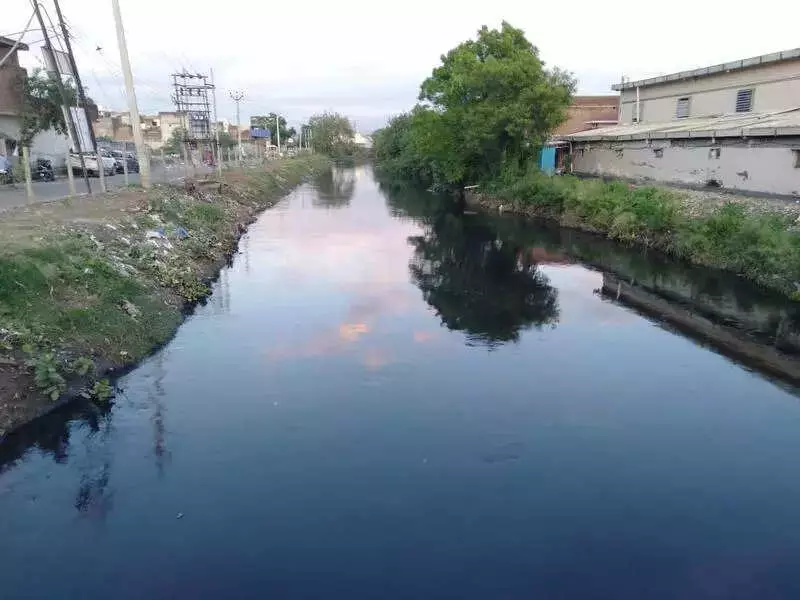
Environmental activists in Ludhiana have escalated their campaign against industrial pollution, staging a protest at the headquarters of the Punjab Pollution Control Board (PPCB). The demonstration, led by the Public Action Committee and Kale Pani Da Morcha, demands immediate action to enforce National Green Tribunal (NGT) orders. Their primary grievance is the continued dumping of toxic effluent from the city's dyeing units into the Buddha Dariya drain.
A Timeline of Protests and Official Inaction
The protest on December 3, 2025, was followed by a formal reminder letter from the groups. This prompted PPCB officials to schedule a crucial follow-up meeting for January 8, 2026. The meeting is expected to include the PPCB chairman, with the member secretary also requested to attend. This confrontation is the latest in a long-running battle that began with the launch of Kale Pani Da Morcha in June 2024. The movement specifically targets illegal discharges from three major Common Effluent Treatment Plants (CETPs) in Ludhiana.
These plants are located at Bahadur Ke Road, Focal Point, and Tajpur Road. Together, they dump a staggering 105 million litres per day (MLD) of untreated or poorly treated wastewater into the river system. Inspections conducted over two years by the PPCB, the Central Pollution Control Board (CPCB), and the Union environment ministry confirmed that all three CETPs were consistently violating the terms of their environmental clearances.

NGT Directives and Persistent Violations
The regulatory timeline reveals a pattern of orders and non-compliance. In August 2024, the CPCB issued strict directives after confirming violations. The PPCB's own inspections in September 2024 led to closure orders under section 33-A. The NGT then stepped in on November 4, 2024, mandating strict compliance with clearance conditions, including a critical "zero discharge" rule.
Public pressure intensified with a large protest rally in Ludhiana on December 3, 2024, which forced the Punjab government to promise action within a week. The NGT provided further clarifications on its orders on December 9, 2024. Despite these repeated interventions, the NGT noted persistent failures. On July 22, 2025, the tribunal issued notices of non-compliance to both the PPCB and the Punjab state government.
Activists Decry Systemic Failure and Demand Accountability
Environmentalists point to a complete breakdown in enforcement. Kapil Arora, an activist involved in the movement, stated that the CETPs have openly flouted the "no discharge" regulations. Amandeep Bains of the Public Action Committee highlighted that repeated NGT orders for closure are backed by official inspection records, yet the plants continue to operate.
The consequences for the violations have been inconsistent. While environmental compensation has been levied and criminal proceedings launched against some operators, the plants have continued to function without the required No-Objection Certificates (NOCs). Jaskirat Singh, another activist, summarized public expectation: the PPCB must finally halt the discharges, recover the imposed fines, and submit a compliance report to the NGT as directed.
The upcoming meeting in January 2026 is now seen as a critical test for the pollution control authorities. It will determine whether the sustained pressure from citizens' groups can translate into concrete action to save the Buddha Dariya from further toxic abuse.