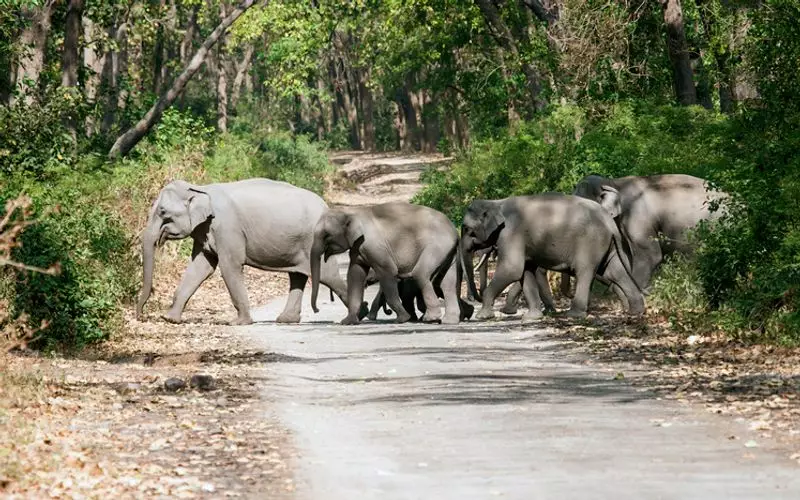
In a distressing incident that underscores the persistent human-wildlife conflict in India, a man was tragically trampled to death by a herd of wild elephants in Jharkhand's Chatra district. The event has sent shockwaves through the local community and reignited concerns about the safety of residents living in proximity to forested areas.
Details of the Tragic Incident
The fatal encounter occurred in a rural part of Chatra, where the victim, whose identity has been confirmed by local authorities, was reportedly going about his daily activities when he unexpectedly came across the elephant herd. According to preliminary reports from forest officials, the elephants, likely agitated or startled, attacked the man, resulting in fatal injuries from trampling. Emergency services were alerted, but despite efforts, the man succumbed to his wounds at the scene.
Response from Authorities and Community
Local police and forest department personnel have swiftly responded to the incident, initiating an investigation to ascertain the exact circumstances leading to the attack. Officials have emphasized the need for heightened vigilance and have urged residents to exercise caution, especially during early morning and late evening hours when elephant movements are more frequent. The community has expressed grief and fear, with many calling for enhanced measures to prevent such tragedies in the future.

Broader Context of Human-Wildlife Conflict
This incident is not isolated but part of a larger pattern of human-wildlife conflicts in Jharkhand and other regions of India. As human settlements expand into forested areas, encounters with wildlife, particularly elephants, have become increasingly common. Elephants, known for their migratory behavior, often stray into agricultural lands and villages in search of food and water, leading to confrontations that can turn deadly.
Experts point to habitat loss, fragmentation of forests, and climate change as key factors driving these conflicts. In response, conservationists and authorities are advocating for strategies such as creating elephant corridors, implementing early warning systems, and promoting community-based initiatives to mitigate risks. However, challenges remain in balancing wildlife conservation with human safety and livelihoods.
Implications and Future Measures
The death in Chatra serves as a stark reminder of the urgent need for effective policies and interventions to address human-wildlife conflicts. It highlights the vulnerability of rural populations and the importance of collaborative efforts between government agencies, non-governmental organizations, and local communities. Moving forward, there is a call for increased awareness campaigns, better infrastructure like fencing and barriers, and compensation schemes for affected families to foster coexistence.
As investigations continue, the focus remains on preventing similar incidents and ensuring that both human and elephant lives are protected in the delicate ecosystems of Jharkhand.