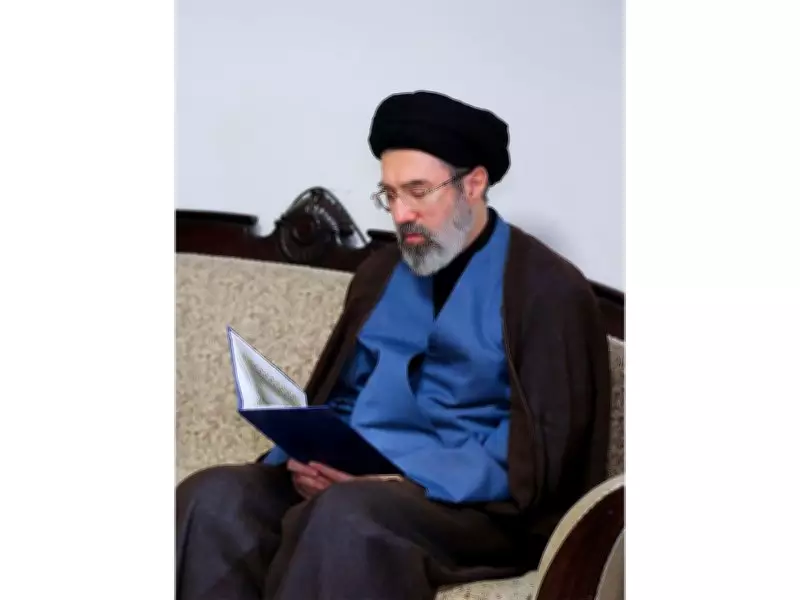
Mojtaba Khamenei Emerges as Frontrunner for Iran's Supreme Leadership Role
In a development that could significantly impact the political landscape of the Middle East, reports have surfaced indicating that Mojtaba Khamenei, the son of Iran's current Supreme Leader Ayatollah Ali Khamenei, is being positioned as the likely successor to the nation's highest authority. This potential succession plan, if realized, would mark a pivotal moment in Iran's governance, with implications for both domestic policy and international relations.
Details of the Succession Indication
According to sources cited in recent media reports, Mojtaba Khamenei has been increasingly involved in key decision-making processes and religious affairs, suggesting a deliberate effort to groom him for the role of Supreme Leader. The position, which holds ultimate power in Iran's political and military spheres, is typically filled by a senior cleric chosen by the Assembly of Experts, but indications point to Mojtaba as a favored candidate due to his close ties and alignment with his father's ideologies.
This move is seen as part of a broader strategy to ensure continuity in Iran's leadership, especially amid regional tensions and internal challenges. Mojtaba, who has maintained a relatively low public profile compared to other political figures, is believed to have garnered support within influential circles, including the Islamic Revolutionary Guard Corps (IRGC) and conservative factions.

Implications for Iran and Beyond
The potential ascension of Mojtaba Khamenei could have far-reaching consequences:
- Domestic Stability: It may reinforce the current regime's hold on power, potentially leading to continued hardline policies on social and political issues.
- International Relations: Global powers, particularly the United States and European nations, are likely to monitor this development closely, as it could affect nuclear negotiations and regional conflicts.
- Regional Dynamics: Neighboring countries in the Middle East might reassess their diplomatic and security strategies based on the new leadership's approach.
Analysts note that while the succession is not yet official, the indications are strong enough to warrant attention from observers worldwide. The process of selecting a Supreme Leader involves complex religious and political considerations, and Mojtaba's candidacy could face scrutiny or opposition from other factions within Iran's clerical establishment.
Background and Context
Ayatollah Ali Khamenei has served as Iran's Supreme Leader since 1989, following the death of Ayatollah Ruhollah Khomeini. His tenure has been marked by significant events, including the Iran-Iraq War, nuclear deal negotiations, and ongoing tensions with the West. Mojtaba Khamenei, in his 50s, has been involved in religious studies and has reportedly played a behind-the-scenes role in his father's administration, though details of his exact influence remain limited.
This report comes at a time when Iran is navigating economic sanctions, social unrest, and geopolitical pressures, making the question of leadership succession more critical than ever. The indication of Mojtaba as a successor highlights the regime's focus on maintaining a cohesive and ideologically aligned leadership structure for the future.