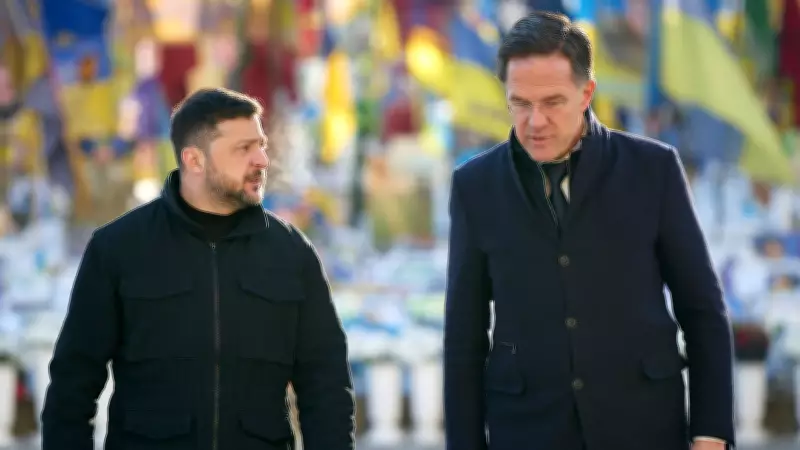
NATO Initiates Troop Deployment to Ukraine Following Landmark Peace Agreement with Russia
In a significant development in international diplomacy, NATO has commenced the deployment of troops to Ukraine. This strategic move comes as a direct result of a newly brokered peace deal between Ukraine and Russia, marking a pivotal moment in the ongoing conflict that has gripped the region for years.
Diplomatic Breakthrough Led by Dutch Prime Minister Mark Rutte
The peace agreement, which facilitated this military deployment, was largely orchestrated through the diplomatic efforts of Dutch Prime Minister Mark Rutte. Rutte, known for his seasoned approach to international relations, played a crucial role in mediating between the involved parties, helping to bridge gaps and foster a consensus that led to the historic deal.
This deployment is seen as a measure to ensure stability and security in Ukraine under the terms of the peace accord. By stationing NATO troops in the region, the alliance aims to provide a deterrent against any potential violations of the agreement and to support Ukraine in maintaining its sovereignty and territorial integrity.

Implications for Regional and Global Security
The introduction of NATO forces into Ukraine represents a notable shift in the geopolitical landscape of Eastern Europe. It underscores the alliance's commitment to upholding peace and security in member states and partner nations, while also signaling a renewed focus on collective defense mechanisms in response to regional tensions.
Analysts suggest that this move could have far-reaching implications for NATO-Russia relations, potentially easing long-standing hostilities if the peace deal holds. However, it also raises questions about the future dynamics of military presence in the area and the broader impact on global security frameworks.
Details of the Troop Deployment and Peace Deal
While specific numbers and timelines for the troop deployment have not been fully disclosed, sources indicate that the process is being carried out in a phased manner to align with the stipulations of the peace agreement. The deal itself is reported to include provisions for ceasefire enforcement, humanitarian aid, and pathways for political dialogue, with NATO's role centered on oversight and support.
Key aspects of the deployment include:
- Enhanced security measures to protect civilian populations in conflict-affected areas.
- Coordination with Ukrainian forces to ensure seamless integration and operational effectiveness.
- Regular assessments to monitor compliance with the peace terms and adjust strategies as needed.
This development follows months of intense negotiations, where Prime Minister Rutte and other international leaders worked tirelessly to find a resolution. The successful outcome highlights the importance of diplomatic engagement in resolving complex international disputes and sets a precedent for future conflict resolution efforts.
As NATO troops begin their mission in Ukraine, the world watches closely to see how this new chapter unfolds, hoping it leads to lasting peace and stability in the region.