A damning new analysis has revealed a massive shortfall in the reach of India's flagship initiative to combat toxic air. The National Clean Air Programme (NCAP), launched with much fanfare, currently covers a mere fraction of the country's urban centres grappling with severe pollution.
Shocking Disparity in Coverage
The report, based on data from the Central Pollution Control Board (CPCB), presents a stark picture. While India has 131 cities that consistently violate national air quality standards, the NCAP's umbrella extends to only 131 of them. This means the programme is active in just about 4% of the identified polluted cities, leaving the vast majority without its targeted action plans and funding.
This gap highlights a critical implementation challenge. The NCAP, which aims for a 20-30% reduction in particulate matter concentrations by 2024, cannot achieve its national goals if its interventions are limited to such a small subset of problem areas. The data underscores an urgent need to expand the programme's coverage to match the scale of India's air pollution crisis.

Delhi's Persistent Topping of the Charts
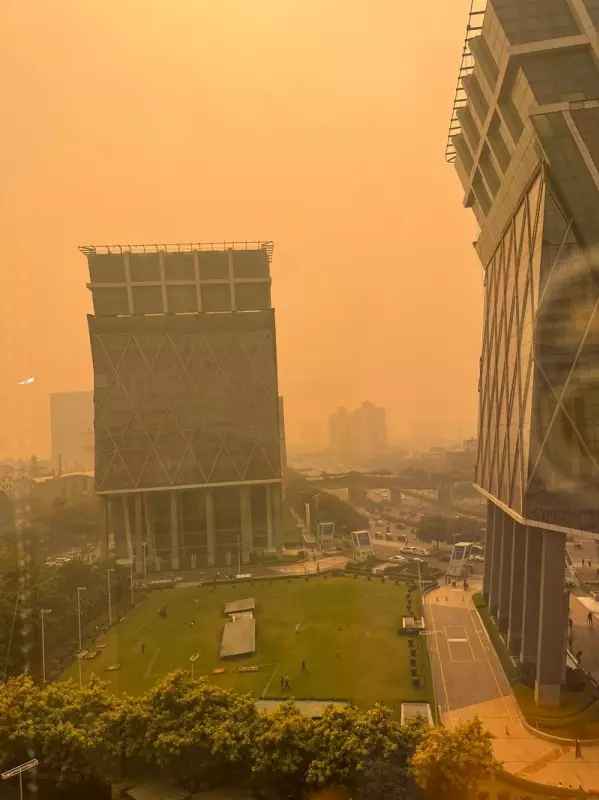
Further deepening concerns, the report confirms Delhi's unenviable position. For the fourth consecutive year, Delhi has been ranked as the most polluted capital city in the world. This persistent crisis in the national capital region serves as a potent symbol of the uphill battle faced by authorities.
The analysis also identified other major hotspots. In 2023, Begusarai in Bihar was labelled the world's most polluted metropolitan area. Furthermore, India dominates the list of the globe's worst air, with 83 of the top 100 most polluted cities located within its borders. This concentration of severely polluted urban centres, largely outside the NCAP's current scope, points to a systemic issue requiring a more aggressive and widespread response.
The Road Ahead for Clean Air
The findings of this report cast a long shadow over the progress of the National Clean Air Programme. The extreme disparity between the number of cities needing intervention and those actually receiving focused attention under NCAP is a significant roadblock. Experts argue that without a rapid and substantial expansion of the programme, along with stricter enforcement of existing policies, India's clean air targets will remain elusive.
The situation calls for a multi-pronged strategy. Expanding the NCAP's city list is paramount. Simultaneously, enhancing real-time monitoring, ensuring robust funding flows, and holding implementing agencies accountable are essential steps. The health and economic costs of inaction are far too high, as polluted air continues to affect millions of citizens across the country, not just in the handful of cities currently in the spotlight.