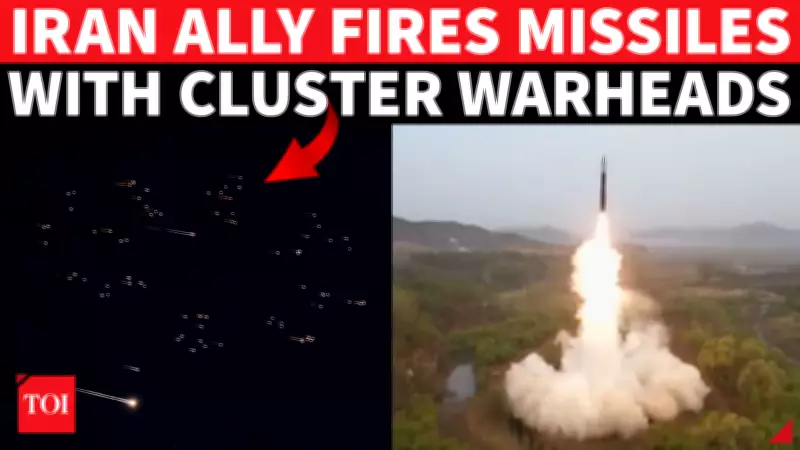
North Korea Escalates Military Posture with Cluster Warhead Missile Tests
In a significant escalation of regional tensions, North Korea has confirmed the testing of ballistic missiles equipped with cluster-munition warheads. This development, reported by state media Korean Central News Agency, involves the use of Hwasong-11 missiles, which are nuclear-capable and designed for advanced military operations.
Advanced Missile Capabilities and Strategic Implications
The Hwasong-11 missiles tested are engineered for low-altitude, manoeuvrable flight, a feature specifically intended to evade sophisticated missile defence systems. By delivering cluster warheads over wide areas, these weapons pose a substantial threat to regional security, particularly to South Korea, a key ally of the United States.
This latest test underscores North Korea's persistent efforts to bolster its military arsenal, despite international sanctions and diplomatic pressures. The timing is critical, as it occurs amid heightened tensions on the Korean Peninsula, with Pyongyang continuing to demonstrate its defiance and commitment to expanding its strategic capabilities.

Influence of Global Conflicts and Evolving Battlefield Tactics
Analysts have pointed to potential influences from recent global conflicts, notably Iran's use of similar cluster warheads in various scenarios. This connection raises alarms about the spread and evolution of battlefield tactics, suggesting that North Korea may be adapting lessons from other conflict zones to enhance its own military strategies.
The use of cluster munitions is particularly concerning due to their ability to cause widespread damage and casualties, making them a controversial weapon in international law. By integrating these into its missile systems, North Korea signals a readiness to employ more aggressive and destructive tactics in potential future conflicts.
Regional and International Reactions
The missile tests have sparked fresh concerns among neighbouring countries and the international community. South Korea and its allies are likely to reassess their defence postures in response to this development. The United States, which has long been involved in diplomatic efforts to curb North Korea's nuclear ambitions, may face renewed challenges in maintaining regional stability.
This incident highlights the ongoing volatility in Northeast Asia and the persistent threat posed by North Korea's military advancements. As Pyongyang continues to test and deploy new weapons systems, the risk of miscalculation or escalation remains high, necessitating vigilant monitoring and coordinated international responses.
In summary, North Korea's testing of cluster warheads on nuclear-capable Hwasong-11 missiles represents a dangerous step in its military buildup, with implications for regional security and global non-proliferation efforts. The world watches closely as tensions simmer, hoping for diplomatic solutions to prevent further escalation.