

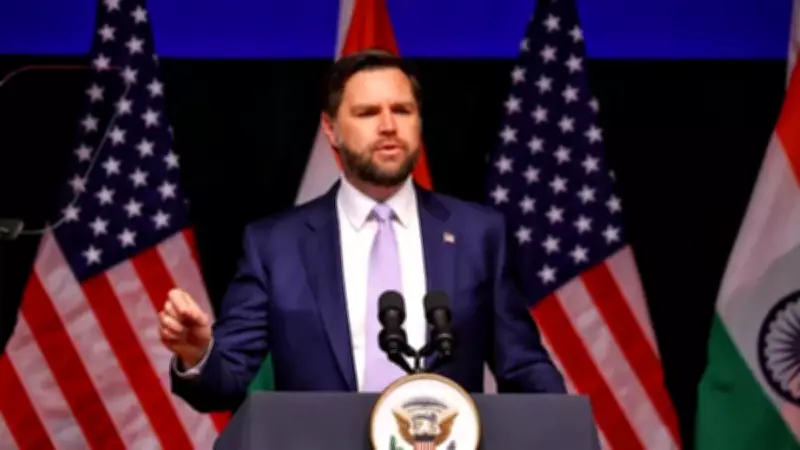
US Vice President JD Vance has made a startling claim, stating that a peace deal between Iran and the United States has already been signed digitally. The announcement, made during a press conference on June 15, 2026, has sparked widespread debate and skepticism among political analysts and international observers.
Vance's Statement
Speaking to reporters, Vance asserted that the agreement was reached through secure digital channels, bypassing traditional in-person negotiations. He emphasized that the deal aims to de-escalate tensions in the Middle East and ensure regional stability. However, he did not provide specific details about the terms or the parties involved in the digital signing process.
Reactions and Skepticism
The claim has been met with mixed reactions. Some experts have questioned the feasibility of a fully digital treaty signing, citing security and verification concerns. Others have pointed out that no official confirmation has been received from Iranian authorities, leading to speculation about the validity of Vance's statement. Critics argue that such a significant diplomatic milestone would typically involve extensive media coverage and formal announcements.

Potential Implications
If true, this digital peace deal could set a precedent for future international agreements, leveraging technology to expedite diplomacy. However, the lack of transparency and the absence of corroborating evidence have fueled doubts. The Biden administration has not yet officially commented on the matter, leaving room for further clarification.
Looking Ahead
As the story develops, the international community awaits concrete proof or official statements from both the US and Iran. The situation underscores the evolving nature of diplomacy in the digital age, while also highlighting the challenges of ensuring trust and authenticity in virtual negotiations.






