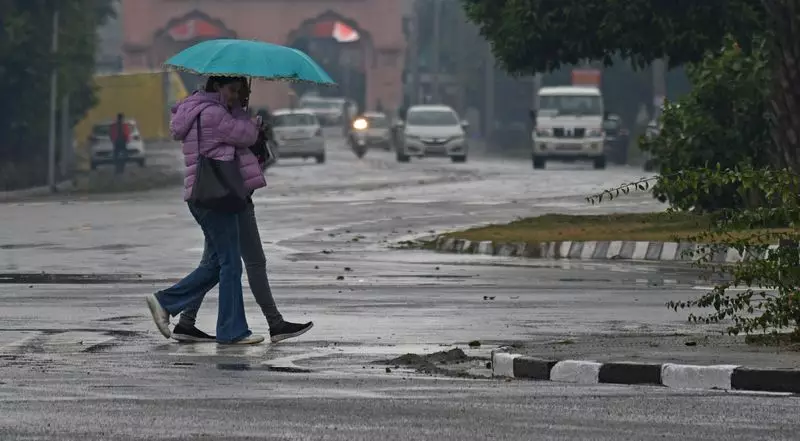
Northwest India Braces for Extended Wet Spell Until February 2
The India Meteorological Department (IMD) has announced that the ongoing wet spell over northwest India is expected to persist until February 2, bringing continued rainfall and cloudy conditions to several states. This weather pattern, driven by western disturbances, is set to affect regions including Delhi, Punjab, Haryana, Rajasthan, and parts of Uttar Pradesh, potentially influencing agricultural activities and urban infrastructure.
Detailed Forecast and Regional Impact
According to IMD officials, the wet spell is characterized by light to moderate rainfall in many areas, with isolated heavy showers possible in some pockets. The forecast highlights:
- Delhi and NCR: Expect cloudy skies with intermittent rain, leading to cooler temperatures and possible traffic disruptions.
- Punjab and Haryana: Agricultural zones may see beneficial moisture for winter crops, but farmers are advised to monitor for waterlogging.
- Rajasthan: Western parts could experience scattered showers, affecting desert regions unusually.
- Uttar Pradesh: Northern districts are likely to receive rainfall, impacting daily commutes and outdoor events.
The IMD attributes this extended wet spell to active western disturbances interacting with local weather systems, a common phenomenon during this winter season. Meteorologists note that such conditions can lead to fluctuating temperatures and increased humidity, altering typical winter dryness.

Precautions and Advisory Measures
In response to the forecast, authorities have issued advisories for residents and stakeholders. Key recommendations include:
- Travel Safety: Drivers should exercise caution on wet roads, and flight schedules might face minor delays due to reduced visibility.
- Agricultural Planning: Farmers are encouraged to adjust irrigation schedules and protect harvested crops from excess moisture.
- Health Precautions: The public is advised to stay warm and guard against cold-related illnesses, as the damp weather can exacerbate chill factors.
- Infrastructure Readiness: Urban local bodies are on alert to manage drainage systems and prevent water accumulation in low-lying areas.
The IMD will continue to monitor the situation closely, providing updates if the wet spell intensifies or extends beyond the predicted date. This weather event underscores the variability of India's winter climate and the importance of timely meteorological information for planning and safety.