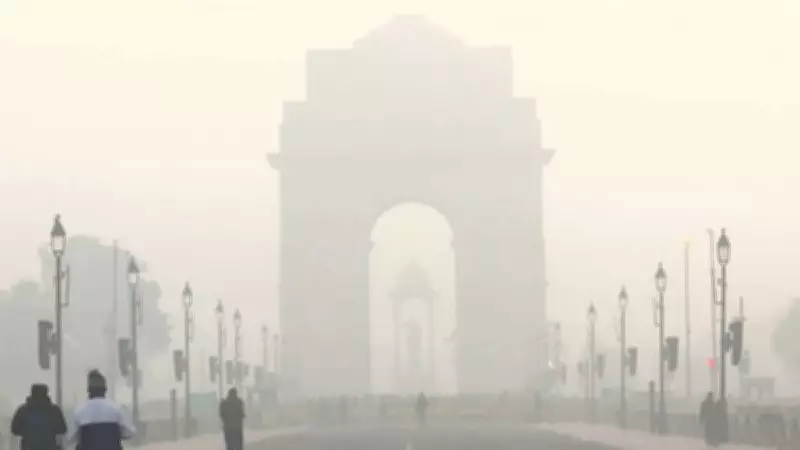
Ozone pollution is rapidly spreading across India, with the Delhi-National Capital Region (NCR) emerging as the worst-affected area, according to a new report by the Centre for Science and Environment (CSE) released on July 1, 2026. The study analyzed data from over 200 monitoring stations across the country and found that ground-level ozone concentrations have increased significantly over the past five years, posing serious health risks.
Delhi-NCR: The Prime Hotspot
The CSE report identifies Delhi-NCR as the prime hotspot for ozone pollution, with average ozone levels exceeding the national ambient air quality standard of 100 micrograms per cubic meter (µg/m³) for eight hours on more than 100 days in 2025. In some locations, peak hourly concentrations reached as high as 250 µg/m³. The region's dense population and high vehicular emissions are key contributors.
According to the report, ozone pollution is not limited to Delhi-NCR. Cities like Mumbai, Kolkata, Chennai, Bengaluru, Hyderabad, and Pune also recorded high ozone levels, particularly during the summer months. The study found that ozone pollution is becoming a year-round problem in many urban centers.

Health and Environmental Impact
Ground-level ozone is a major component of smog and can cause respiratory problems, aggravate asthma, and reduce lung function. The CSE report warns that prolonged exposure can lead to chronic respiratory diseases and premature deaths. Children, the elderly, and people with pre-existing health conditions are most vulnerable.
The report also highlights the impact on agriculture, with ozone pollution reducing crop yields by up to 15% in some regions. This poses a threat to food security and the livelihoods of farmers.
Causes and Contributing Factors
The CSE attributes the rise in ozone pollution to increased emissions of precursor pollutants like nitrogen oxides (NOx) and volatile organic compounds (VOCs) from vehicles, industries, and power plants. Unlike particulate matter, ozone is not directly emitted but forms through chemical reactions in the presence of sunlight.
“The problem is that ozone is a secondary pollutant, making it harder to control. We need to cut emissions of NOx and VOCs significantly,” said Anumita Roychowdhury, executive director of CSE. She emphasized the need for stricter emission norms and better urban planning.
Policy Recommendations
The CSE report urges the government to implement a comprehensive action plan to tackle ozone pollution. Recommendations include tightening emission standards for vehicles and industries, promoting electric vehicles, expanding public transport, and increasing green cover in cities.
The report also calls for real-time monitoring of ozone levels and public health advisories during high-pollution episodes. “We need a multi-sectoral approach involving transport, industry, and energy sectors to effectively reduce ozone pollution,” Roychowdhury added.
As ozone pollution continues to spread across India, the CSE report serves as a stark reminder of the urgent need for action to protect public health and the environment.