

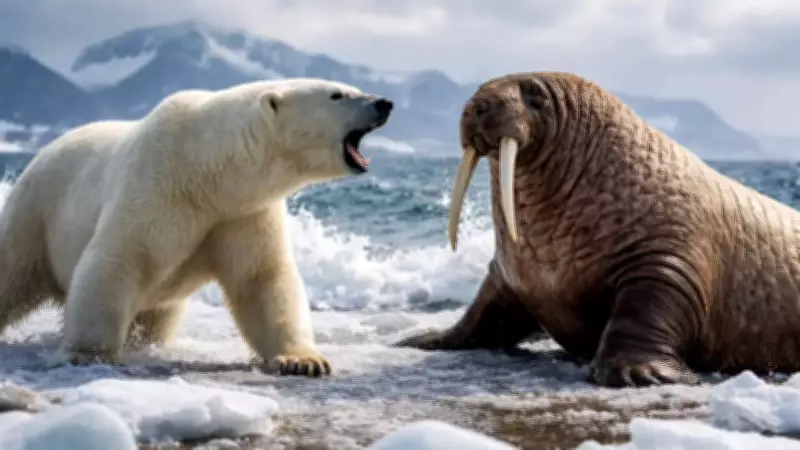
Polar Bear vs Walrus: The Arctic's Most Dangerous Encounter
Encounters between polar bears and walruses in the Arctic are rare but fascinating spectacles of nature. At first glance, it might seem like a fair fight between two large, powerful animals perfectly adapted to survive in harsh, frozen environments. However, a closer examination of their size, defensive capabilities, and hunting strategies reveals why polar bears typically avoid confronting adult walruses.
Why Polar Bears Prefer Easier Prey
Despite being apex predators of the Arctic, polar bears rarely choose to attack healthy adult walruses. Research indicates they are far more inclined to hunt less challenging prey like seals, targeting only young, sick, or weakened walruses when opportunities arise. According to the International Association for Bear Research and Management and Polar Bears International, these encounters are uncommon and usually avoided unless conditions strongly favor the bear.
The hunting process is exceptionally risky, making it an extraordinary event rather than routine predation. This calculated avoidance highlights the walrus's formidable nature even to one of Earth's most powerful carnivores.

The Walrus: A Formidable Giant
Walruses are not just large animals—they are massive. Male walruses can grow up to 12 feet in length and weigh over 4,000 pounds, making them significantly bigger than polar bears, which typically range from 700 to 1,400 pounds. This size difference alone dramatically shifts the balance of power in any potential confrontation.
Their bodies are engineered for natural protection against predators. With thick skin exceeding one inch, substantial blubber layers, and imposing tusks, walruses can effectively defend themselves and inflict serious, potentially fatal injuries. Polar Bears International notes that adult walruses are extremely difficult to kill due to these defensive features, making a healthy adult anything but easy prey.
Defensive Mechanisms That Deter Predators
Walruses possess multiple complementary defensive adaptations:
- Thick Skin and Blubber: Their skin and underlying fat act as a natural cushion, absorbing blows and providing crucial time to either escape or counterattack.
- Sharp Tusks: These elongated canine teeth can inflict deep, dangerous wounds on any attacker, with the potential for fatal consequences.
- Social Behavior: Walruses typically travel in groups. When threatened by a predator like a polar bear, they will confront it collectively, creating a formidable defensive front that discourages most attacks.
This combination of physical armor and cooperative defense makes walruses exceptionally challenging targets, even for determined predators.
Why Polar Bears Still Attempt the Hunt
Despite the significant risks, polar bears occasionally hunt walruses, driven by basic survival instincts. The Arctic offers limited food sources, and a successful walrus hunt provides substantial energy rewards. However, polar bears approach this hunt with strategic caution.
Rather than risking confrontation with adult walruses, bears typically target calves or weaker individuals within a pod. This selective hunting demonstrates that even fierce predators carefully weigh the risks versus rewards. The potential consequences of failure—severe injury or death—could be more detrimental to their survival than temporary hunger.
Who Would Win in a Fight?
The outcome of a polar bear versus walrus confrontation heavily depends on the environment:
- On Land or Ice: Polar bears have a distinct advantage, particularly when targeting younger, less developed walruses. Their mobility and predatory skills are more effective in these settings.
- In Water: The tables turn dramatically. Walruses are superior swimmers and fighters in aquatic environments, where they can easily injure or kill polar bears, who lack comparable combat experience in water.
In most scenarios, the odds are stacked against the polar bear, making such encounters high-stakes gambles.

Final Verdict: A Calculated Gamble
The assumption that polar bears can easily defeat walruses is fundamentally mistaken. While polar bears are formidable predators, walruses are exceptionally well-equipped for survival against such threats. Their sheer size, armored physiology, defensive tusks, and social behavior collectively make them incredibly difficult prey.
Ultimately, polar bear attacks on walruses represent calculated gambles—risky endeavors undertaken only when necessity or exceptional opportunity arises. This dynamic underscores the complex balance of power in Arctic ecosystems, where even apex predators must sometimes yield to nature's defensive marvels.





