Pune Weather Takes Sudden Turn: IMD Issues Yellow Alert for Thunderstorms
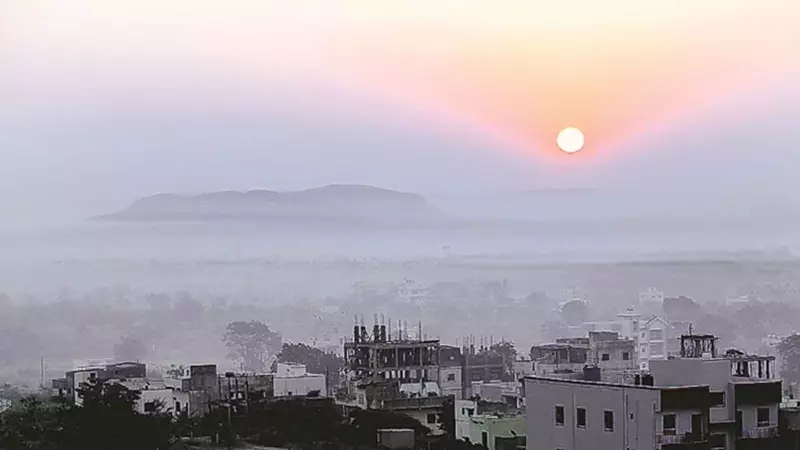
The weather in Pune has undergone a significant and sudden transformation, prompting the India Meteorological Department (IMD) to issue a crucial yellow alert for several districts across Maharashtra. Residents of Pune woke up to unusually warm and cloudy conditions on Monday morning, marking one of the warmest starts to the day this season.
Temperature Rise and Weather Patterns
At the Shivajinagar weather station, the minimum temperature recorded a notable increase, reaching 17.4 degrees Celsius compared to 13.9 degrees Celsius the previous day. This warming trend was even more pronounced in specific areas of the city, including Koregaon Park, Magarpatta, and Chinchwad, where temperatures hovered around 20 degrees Celsius on January 27.
Meteorologists explain that the extensive cloud cover observed over the region plays a significant role in these temperature variations. The clouds effectively trap solar radiation, preventing its escape during the night and early morning hours, thereby creating warmer conditions than typically expected for this time of year.

IMD Forecast and Yellow Alert Details
The India Meteorological Department has forecast that these weather conditions will persist over the coming days. The prediction includes partly cloudy skies along with the possibility of isolated light rainfall, accompanied by thunder and lightning activities. While the maximum temperature in Pune remained relatively stable at 31 degrees Celsius on Tuesday, forecasts indicate a gradual warming trend.
By February 1, the minimum temperature is expected to rise to approximately 18 degrees Celsius, potentially making it one of the warmest periods this season. The maximum temperature could reach as high as 33 degrees Celsius during this period.
The IMD has specifically issued a yellow alert, indicating the possibility of light rainfall accompanied by thunder and lightning, for multiple districts including Pune, Dhule, Satara, Jalgaon, Nashik, and Aurangabad. This alert serves as an important warning for residents to exercise caution during potential weather disturbances.
Causes Behind the Weather Changes
According to Anupam Kashyapi, former head of the weather forecasting department at the IMD, these weather changes are directly attributed to a Western Disturbance crossing the Himalayan region. "The changes in weather are due to a Western Disturbance crossing the Himalayan region," Kashyapi explained.
He further elaborated on the meteorological mechanisms at play: "The wind confluence, which is the interaction between opposite winds blowing from the cold north and the warm south, both carrying moisture, over central India and north and central Maharashtra is causing clouds and increasing the likelihood of thunder and lightning in isolated areas in Pune and a few other districts."
This Western Disturbance has already brought significant weather changes to northern India, including snow, fog, and bitter cold conditions in regions such as Rajasthan and Himachal Pradesh. However, Kashyapi indicated that this weather system is expected to move eastwards by January 28, potentially leading to clearer weather conditions over north India, Madhya Pradesh, and parts of Maharashtra.
Safety Precautions and Seasonal Transition
With the increased likelihood of thunder and lightning activities, Kashyapi emphasized important safety measures for residents. "People should avoid standing under a tree or similar structures during lightning and rain," he advised, highlighting the potential dangers associated with electrical storms.
The gradual rise in night temperatures observed in Pune over recent weeks appears to signal a transition toward the end of the winter season. This warming trend, combined with the current weather disturbances, creates a unique meteorological scenario that requires both awareness and preparedness from residents across the affected districts.
As Pune and surrounding regions navigate these weather changes, staying informed about IMD alerts and forecasts remains crucial for ensuring safety and planning daily activities during this period of meteorological transition.