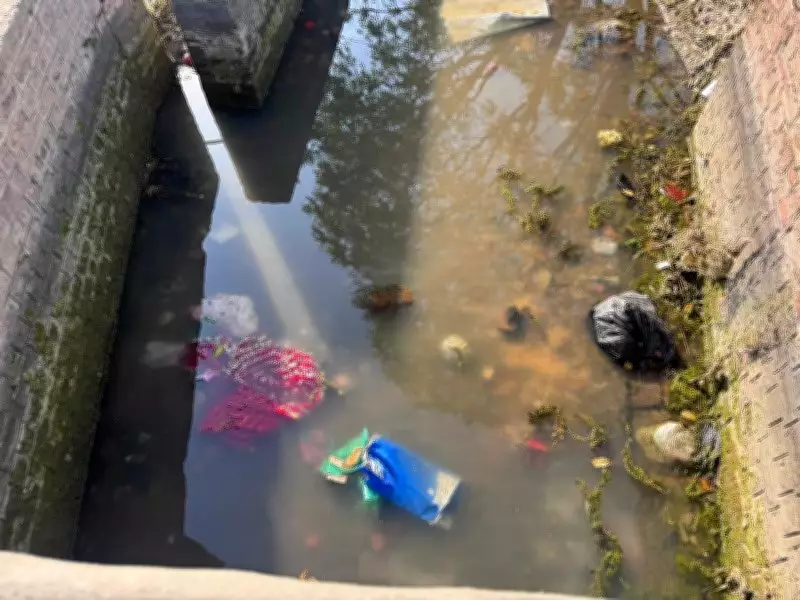
A recent study has highlighted that religious offerings, including flowers, garlands, and ashes, are significantly polluting the water supply in Sirsa, Haryana. The findings have raised serious health concerns among residents and environmentalists alike.
Study Findings
The research, conducted by a team of environmental scientists, analyzed water samples from various points in the city's water distribution system. It found high levels of organic pollutants, heavy metals, and microbial contamination attributed to the disposal of religious offerings into water bodies. These offerings often contain non-biodegradable materials like synthetic flowers and plastic wrappers, which degrade water quality.
Health Implications
Consumption of contaminated water can lead to waterborne diseases such as diarrhea, cholera, and typhoid. Long-term exposure to heavy metals may cause chronic health issues, including kidney damage and neurological disorders. Children and the elderly are particularly vulnerable.

Community and Religious Practices
Sirsa, known for its religious significance, sees a high volume of devotees performing rituals that involve offering flowers, milk, and other items into rivers and ponds. While these practices hold deep cultural importance, the study underscores the need for sustainable alternatives.
Call for Action
Environmental groups are urging the municipal corporation and religious institutions to collaborate on solutions. Suggestions include installing filtration systems at temples, promoting the use of biodegradable materials, and organizing awareness campaigns to educate the public about the environmental impact of traditional offerings.
Authorities have acknowledged the issue and are exploring measures to mitigate pollution. The Sirsa Municipal Corporation plans to set up dedicated collection points for religious waste and improve sewage treatment facilities.