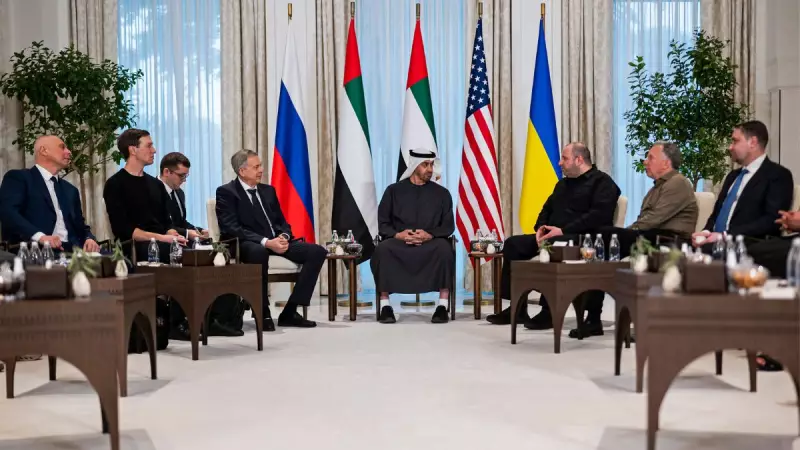
Russia-Ukraine-US Trilateral Talks Conclude in Abu Dhabi, Zelenskyy Hints at Next Meeting
The recent trilateral talks involving representatives from Russia, Ukraine, and the United States have officially concluded in Abu Dhabi, the capital of the United Arab Emirates. This high-stakes diplomatic engagement aimed to address the ongoing conflict between Russia and Ukraine, with the US playing a mediating role. The discussions, held in a neutral venue, underscore the international community's persistent efforts to find a peaceful resolution to the war that has gripped Europe for years.
Details of the Abu Dhabi Negotiations
While specific outcomes from the talks have not been fully disclosed, the meeting is seen as a significant step in maintaining open channels of communication between the adversarial nations. The involvement of the United States highlights its continued commitment to supporting Ukraine while engaging with Russia diplomatically. Abu Dhabi was chosen as the host city due to its strategic location and reputation as a hub for international diplomacy, offering a neutral ground conducive to sensitive negotiations.
Sources indicate that the talks covered a range of critical issues, including potential ceasefire agreements, humanitarian aid corridors, and long-term security arrangements. The participation of high-level officials from all three countries suggests a serious intent to explore viable solutions, even as tensions remain high on the battlefield.

Zelenskyy's Announcement on Future Meetings
In a statement following the conclusion of the talks, Ukrainian President Volodymyr Zelenskyy provided an update on the diplomatic process. He revealed that the next round of trilateral talks is likely to take place as early as next week. This announcement signals a continued momentum in the negotiation efforts, with parties seemingly willing to engage in follow-up discussions to build on the progress made in Abu Dhabi.
Zelenskyy emphasized the importance of sustained dialogue, noting that "diplomatic pathways are crucial for achieving a just and lasting peace." His comments reflect Ukraine's stance that while military defense remains a priority, diplomatic initiatives are essential for ending the conflict. The scheduling of another meeting so soon suggests that there may be unresolved issues or new proposals on the table that require further deliberation.
International Context and Implications
The trilateral talks occur against a backdrop of ongoing military engagements and shifting geopolitical dynamics. The United States, as a key ally of Ukraine, has been instrumental in providing military and economic support, but it also faces pressure to facilitate negotiations that could lead to a de-escalation. Russia's participation indicates a willingness to engage in talks, though its strategic objectives in the war remain a point of contention.
Experts suggest that the Abu Dhabi meeting could pave the way for more substantive discussions in the future, potentially addressing core issues such as territorial disputes and security guarantees. The choice of a Gulf location like Abu Dhabi also highlights the growing role of Middle Eastern nations in global diplomacy, acting as intermediaries in complex international conflicts.
As the world watches closely, the outcome of these talks and the planned follow-up meeting next week could have significant implications for the trajectory of the Russia-Ukraine war. Stakeholders are hopeful that continued dialogue might lead to breakthroughs, even as challenges persist on the ground.