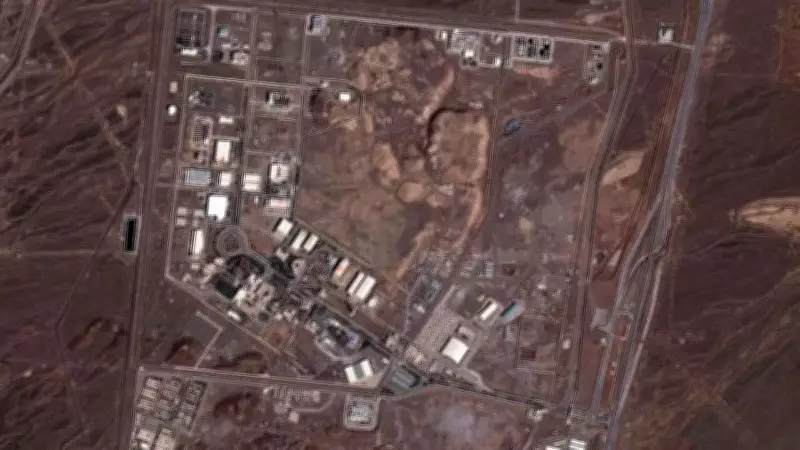
Satellite Images Expose Widespread Destruction in Iran After US-Israeli Strikes
Newly released high-resolution satellite imagery has provided a stark visual confirmation of the extensive damage inflicted during recent US-Israeli military operations across Iran. The images, analyzed by experts, reveal significant destruction at key sites, including nuclear facilities, military installations, and leadership compounds, underscoring the scale of the conflict escalation.
Natanz Nuclear Facility Sustains Critical Damage
According to satellite data from Colorado-based Vantor, the Natanz nuclear enrichment facility was among the primary targets hit. The International Atomic Energy Agency (IAEA) reported that the site sustained some recent damage, though it assured there was no radiological consequence expected from the strikes. David Albright, a former UN nuclear inspector and founder of the Institute for Science and International Security, detailed that the imagery shows three buildings destroyed at Natanz.
These include two personnel entrances to underground halls housing thousands of centrifuges used for uranium enrichment, and a third building covering the only vehicle access ramp. Although these halls were previously rendered inoperable by a US attack in June last year, the latest strikes suggest they may still have contained recoverable centrifuges or related equipment. Iran's representative to the UN nuclear watchdog confirmed the attack, stating, Again they attacked Iran's peaceful, safeguarded nuclear facilities yesterday, specifically naming Natanz.

Leadership Compound in Tehran Heavily Damaged
Satellite imagery also captured heavy destruction at the official residence compound of Iran's Supreme Leader Ayatollah Ali Khamenei in Tehran. The images show multiple collapsed buildings, extensive structural damage, and a large plume of black smoke rising from the secure government complex. Key structures within the compound, used as Khamenei's primary official residence and a hub for leadership functions, appear severely damaged or destroyed.
Reports indicate that Khamenei was killed in one of the initial strikes, along with about 40 other senior Iranian officials. A person familiar with the matter told CBS News that the CIA had tracked Khamenei's movements for months, learning of a Saturday morning meeting at the Tehran compound he was expected to attend.
Military Installations Targeted Across Iran
Commercial satellite imagery further reveals extensive damage at multiple Iranian military sites. Precision strikes were observed on hardened military infrastructure along Iran's southeastern coast on the Gulf of Oman, including air, drone, and naval facilities near the strategic port city of Konarak. At Konarak airbase, satellite frames show several hardened aircraft shelters with dark burn marks and apparent structural damage on their roofs and surrounding areas, though runway sections remain largely intact.
Additionally, the Choqa Balk-e drone facility in western Iran, known for deploying Shahed-136 kamikaze drones, was struck, with satellite images indicating significant damage linked to Iran's drone production and operations. This latest wave of strikes, part of Operation Epic Fury, marks a major escalation, with US Central Command (CENTCOM) reporting over 1,250 targets hit in the first two days to dismantle Iran's security apparatus.
The renewed attacks come amid heightened tensions over Iran's nuclear programme, with the US and Israel expressing concerns about potential nuclear weapon development, a claim Tehran denies, insisting its activities are for civilian purposes.